
Upcycling Trash into Teaching Aids
BAPALA, the early-maths non-profit founded by Dr Hannah Barnes with Kapama Private Game Reserve as its founding funder, began its work in July 2026.
Four months on, children at its tester crèche near Acornhoek can name and sort colours and shapes they could once only sing about, and local partners are already taking up its methods. Since October, a van sponsored by Kapama Private Game Reserve has been taking BAPALA's play kits to crèches and schools.
BAPALA means "play" in Sepedi and Sesotho. It is also a promise, spelt out in its letters: Build And Play And Learn A Lot.
Why start so young
In 2025, only 34% of South Africa's matric candidates wrote Mathematics. BAPALA believes the answer starts long before high school, with the way the youngest children first meet numbers. Its mission is simple: to develop early mathematical thinking through play, and to build strong foundations for learning.
The first wins
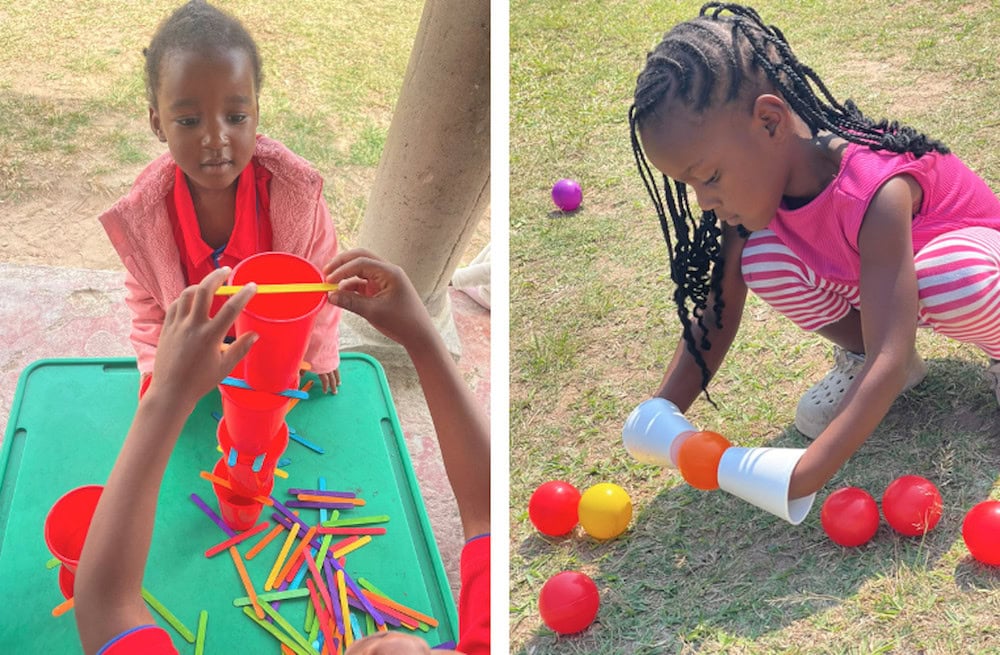
From singing to knowing. At the tester crèche, children about to start Grade R could sing songs about colours and shapes, but could not yet name them. After a month of short play visits, they name and sort colours and shapes with confidence, and many are beginning to recognise small quantities.
More than one, two, three.
Most pre-schools teach children to recite numbers in order, often before they know what those numbers mean. BAPALA helps children see small amounts at a glance, the way they recognise a colour: three cups, five blocks, no counting needed. Dr Barnes compares it to learning to read. Before children read words, they learn what each letter stands for, and numbers work the same way.
A Game Changer from the community
Tshegofatse "Tshego" Mkhonto joined BAPALA in August, after eight years as an educator with EcoChildren. She designs and tests activities herself, and briefs and coaches teachers after each session.
I am not the same Tshego who walked in here in August," she says. "I think so differently about play and learning and what education is, and I want other parents and teachers to also know that.
The idea is spreading
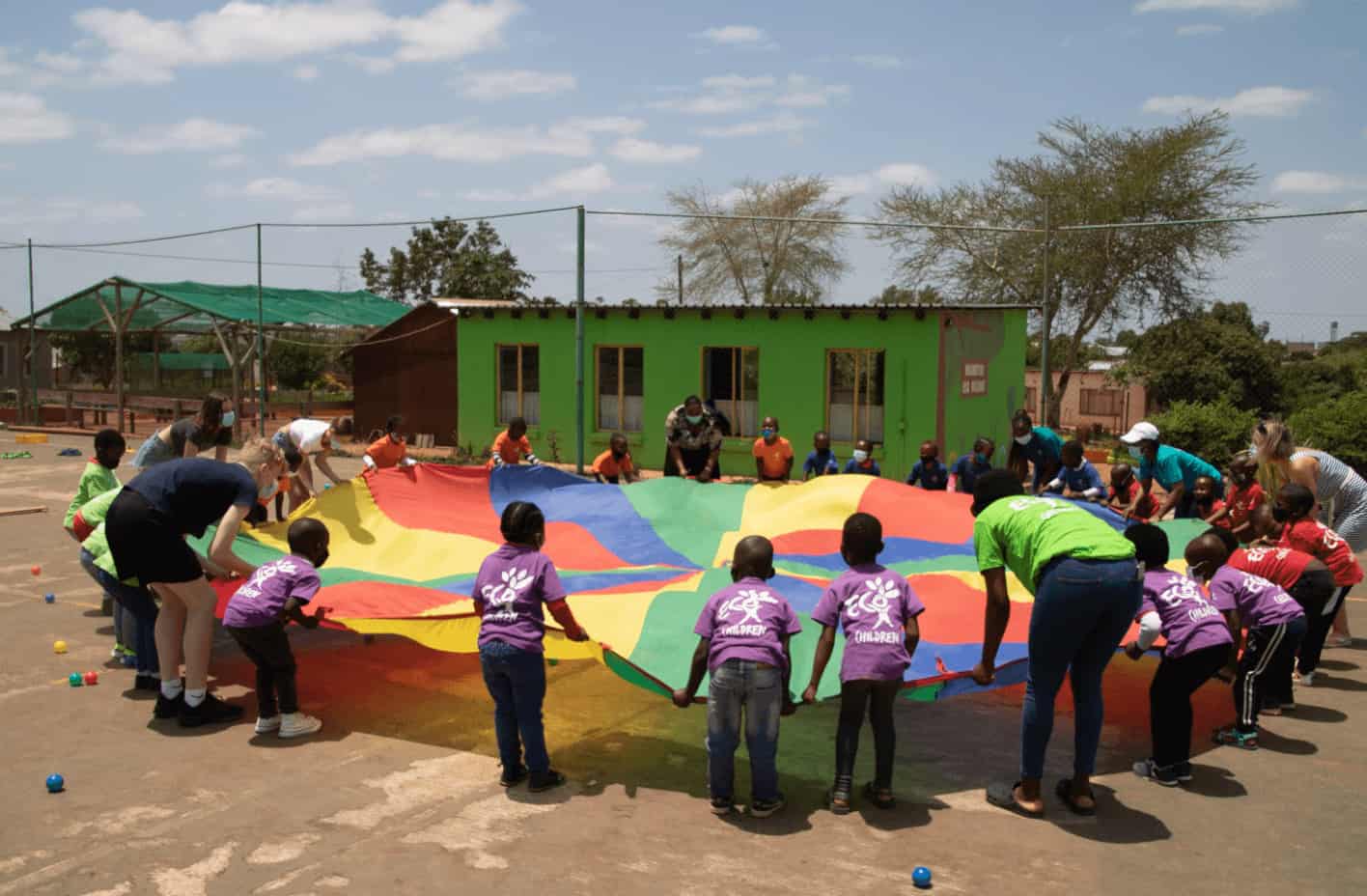
A project assistant at the Timbavati Foundation has begun working alongside the team, and will join the crèche visits. This is the model BAPALA was built on: a Game Changer within each partner organisation, who trains others in turn. In its first year, BAPALA works with the Timbavati Foundation's three crèches and with EcoChildren's Grade R and Grade 1 classes at Makwetse School.
Treasure from trash
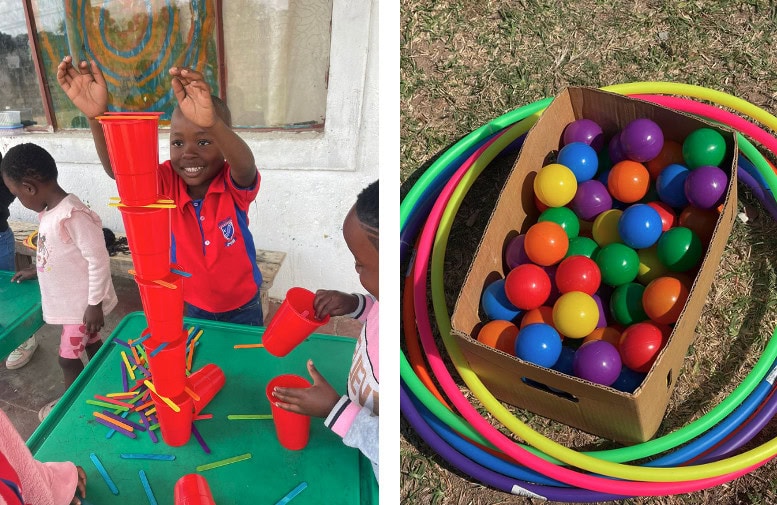
Alongside blocks, balls and hoops, many of BAPALA's resources are upcycled: bottle tops, cardboard boxes, yoghurt tubs and pool noodles. The lesson for schools is clear. Rich learning does not need expensive materials.
Tools teachers can keep
Every activity comes with a simple sheet for teachers, with a QR code that plays a 30-second video of the activity. Long after a visit, the teacher can run it again on her own.
Kapama's part in the story
Kapama is BAPALA's founding funder. The partnership grew out of years of work with Dr Barnes and EcoChildren at Makwetse School, strengthening the maths skills of local teachers.
On the road
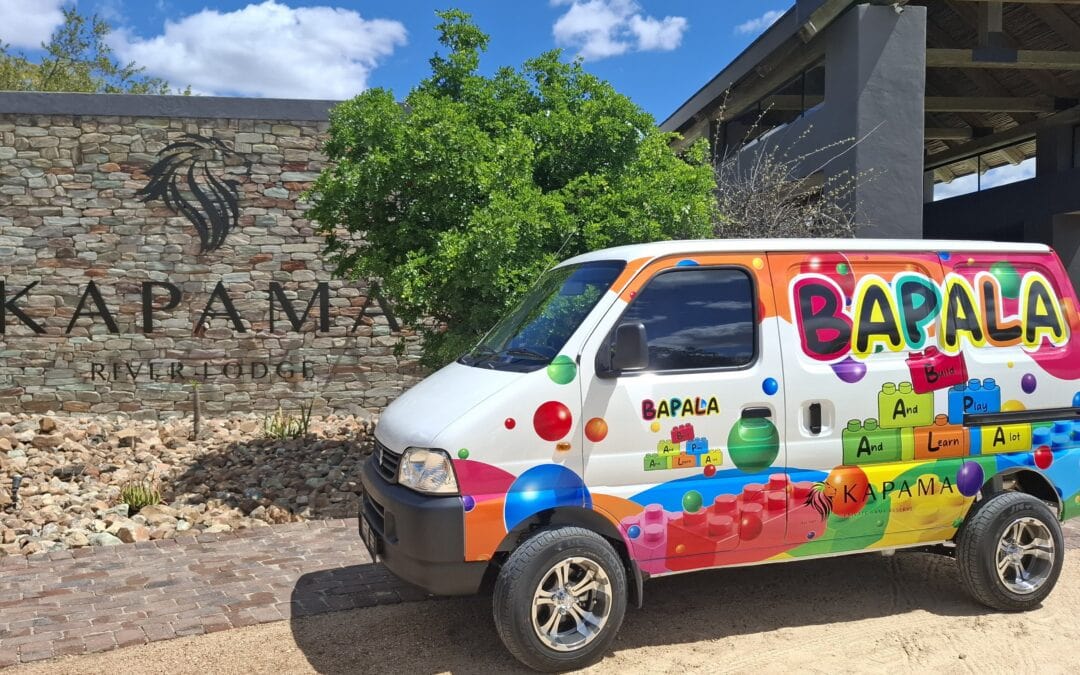
Kapama sponsored BAPALA's van, a specially equipped Suzuki Eeco in bright colours. It arrived in October and is already making its rounds, carrying play kits to crèches and schools on rotation.
People first
Kapama’s support made it possible to appoint BAPALA’s first Game Changer from the local community. Kapama’s Community Manager, Trichia Jacobs, and Community Liaison Officer, Tshepo Matekola, work hand in hand with the BAPALA team. From buying and branding the van to supporting the team in the community, they are part of every step.
What comes next
With the van on the road, the next step is to reach more crèches and schools. Further ahead are sessions showing parents how ten minutes of play a day can make a difference, and an upcycling project in which lodges collect everyday recyclables to be made into learning resources.
For Kapama, supporting BAPALA from its first day is an investment in the children who share this landscape with us.
They are the next generation of the Greater Kruger, and their foundations start with play.
Bapala is one of several community projects Kapama supports, alongside our work with EcoChildren at Makwetse School and the Ntombana Project.