Bird, Birder, Birding!
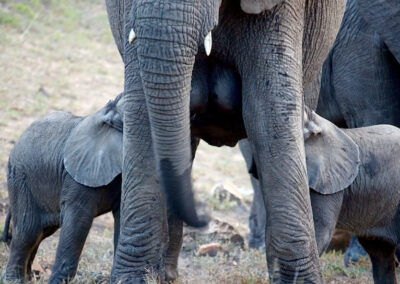
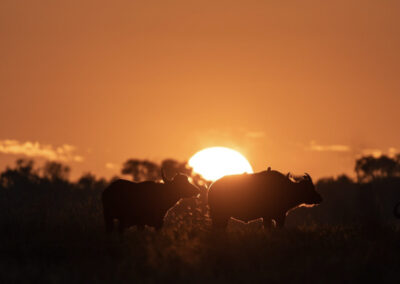
When people think of Africa and experiencing a once in a lifetime safari adventure, the first picture that forms in their mind might be a lion or elephant, or the rest of the Big 5. Perhaps even the hippo and giraffe are on their list and looking out into the wide-open savanna where the land extends as far as the eye can see.
Guests don’t often realise the plethora of other types of wildlife they can submerge themselves in when visiting Kapama Private Game Reserve. As part of the Greater Kruger area, besides the Big 5, the terrain offers a magnificent array of bird life that is sometimes even more impressive.
It might be hard to believe but there are approximately 350 bird species on Kapama and a myriad of smaller species can also be seen here in their natural environment. As a result of this discovery, I’ve had many guests that have left Kapama, and become avid birders after their very first safari experience. They fall in love with the appreciation for Mother Nature and the harmonious union that birding provides.
One such gem that can be found in our area is the bee-eater. Not too long ago, my guests and I had the pleasure of sitting with 4 different kinds of these interesting birds, feasting away on insects.
Let’s take a look at some interesting facts about these gorgeous birds;
The first one is the European Bee Eater. It is an incredibly colourful bird with an unmistakable appearance. It has a rich chestnut crown that blends into gold on its back. This beautiful and elegant bird looks like a rainbow when flying. They have a range spanning an incredible 11 million square kilometers. Although common in southern Africa It breeds in Europe, mostly in the warmer southern parts, but occasionally as far north as Sweden and Finland, and also in parts of Africa and southern-central Asia. Their diet consists mostly of insects, bees and dragonflies. Before eating a bee, the European bee-eater will remove the sting by repeatedly hitting the insect against a hard surface. Nature truly is miraculous.
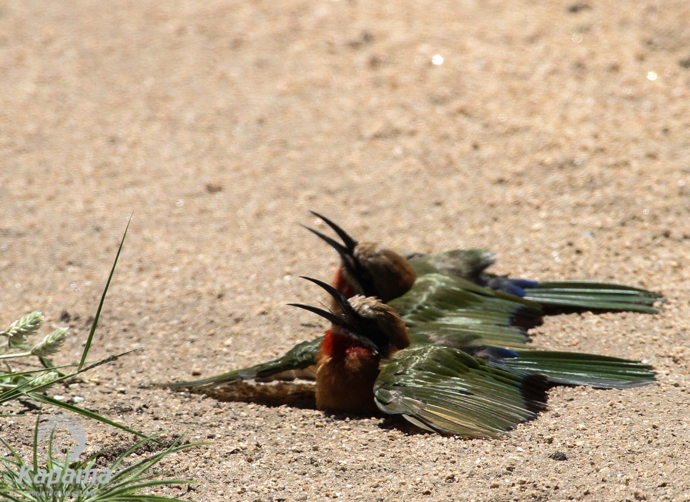
The Southern Carmine Bee-Eater is by far one of the more beautiful bird species we find in our area. They are about the same size as a starling. Like other bee-eaters, they are also richly coloured. On sunny days, sunbaths are quite common, while water and dust-bathing activities help rid the birds of ectoparasites. In the late afternoon during the breeding season, they eat sand, snail-shell and other calcium-rich items to increase their calcium levels. They are highly sociable species, gathering in large flocks during breeding season and nest in burrows dug into riverbeds. Their diet is primarily bees and other flying insects.
Next on the list is the White Fronted Bee Eater. Much like other types of bee-eaters they are also richly coloured as well as slender birds. They have a distinctive black mask, white forehead, squaretail and a bright red throat. Their behaviour is rather unique. Only 50% of non-breeders in a colony typically become helpers. Whether or not a bird becomes a helper and to whom it provides aid is heavily dependent on the degree of kinship involved. This species of bee-eaters have been known to face spitting cobras and forage endlessly for bees. They may even delay having young of their own, all to help close relatives raise a clutch of baby birds. Their diet consists mostly of insects, which are almost always honeybees. They catch their food either through rapid flight down from a low tree perch or during a slower hovering flight.

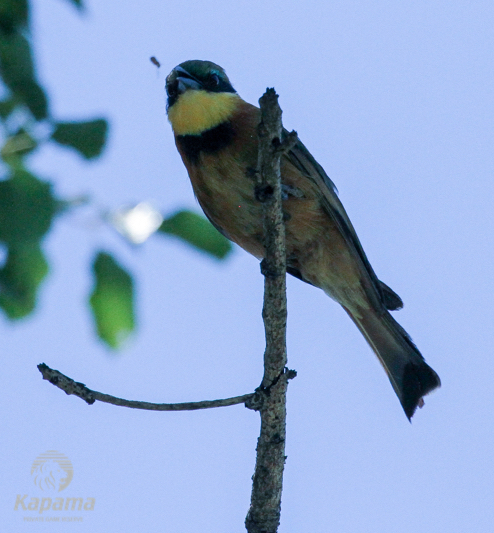
The last type that we witnessed was the Little Bee-eater, which is the smallest of the bee-eater family. As with all species of bee-eaters, they are rich and brightly coloured. It has green upperparts, yellow throat, black gorget, and rich brown upper breast that fade as it reaches the belly. Unlike most bee-eaters, these are solitary nesters, making a tunnel in sandy banks, or even in Aardvark den entrances. Both the male and the female take care of the eggs. They often hunt from low perches, not higher than a meter or maybe even less.
So In the future, if the Big 5 is on your list, experience and appreciate them, as they really are magnificent creatures that are amazing to see in their natural habitat. However, don’t forget about the other species that are often forgotten. Allow yourself to glance up towards the beautiful African sky. Let your eyes scan the trees and shrubs. Ask your ranger to explain some interesting facts and behaviour of all the different types of birds you encounter. Buy a bird book and start ticking off the list of species you have identified. You never know, before long, we might find out that you too have joined the ranks and become a birder!
Story and photos by:
Bjorn De Bruin – Kapama Karula
Latest news
No Results Found
The page you requested could not be found. Try refining your search, or use the navigation above to locate the post.