World Wildlife Day

Kapama Ranger Blog

World Wildlife Day

Mar 3, 20200 comments

The 3rd March is World Wildlife Day – an opportunity to celebrate the many beautiful and varied forms of wild fauna and flora.

World Wildlife Day was proclaimed by the United Nations on the 20th December 2013. It falls on the 3rd of March, the same day where back in 1973, the Convention on International Trade in Endangered Species (CITES) was founded. World Wildlife Day is a day to celebrate and raise awareness of the world’s wild animals and plants and the multitude of benefits that their conservation provides to people.

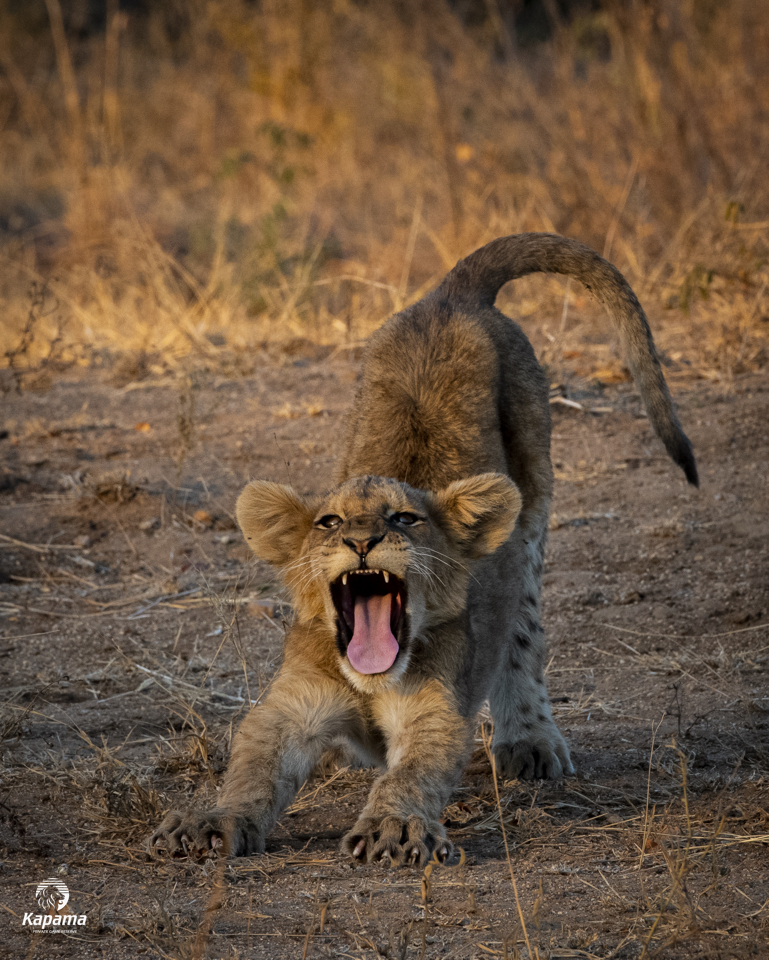
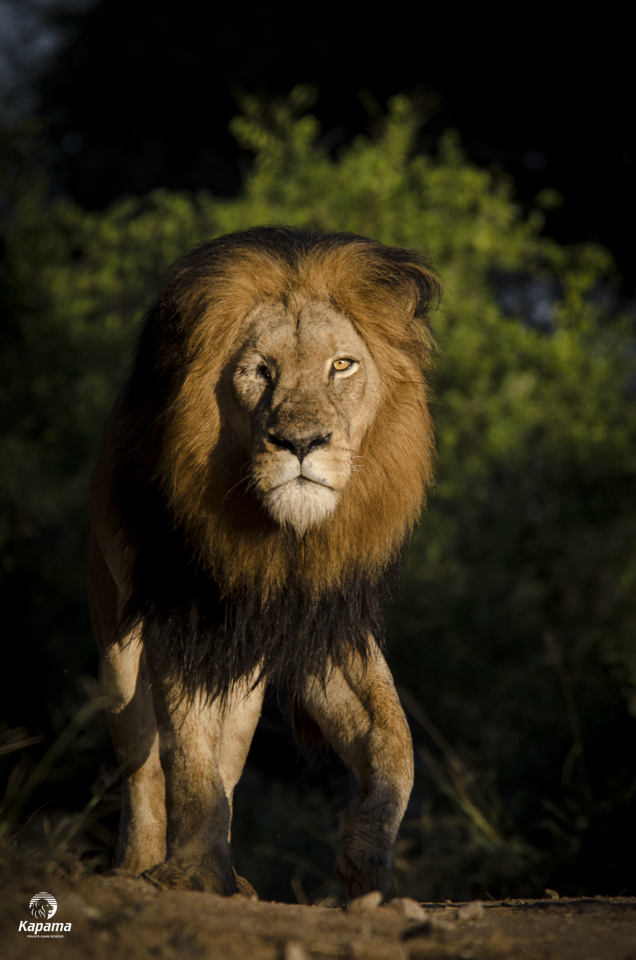
To celebrate this day, Southern Camp Ranger Mike Brown shared a few of his personal wildlife photographs taken on Kapama Private Game Reserve in 2019. 

Comment on your favourite photo!
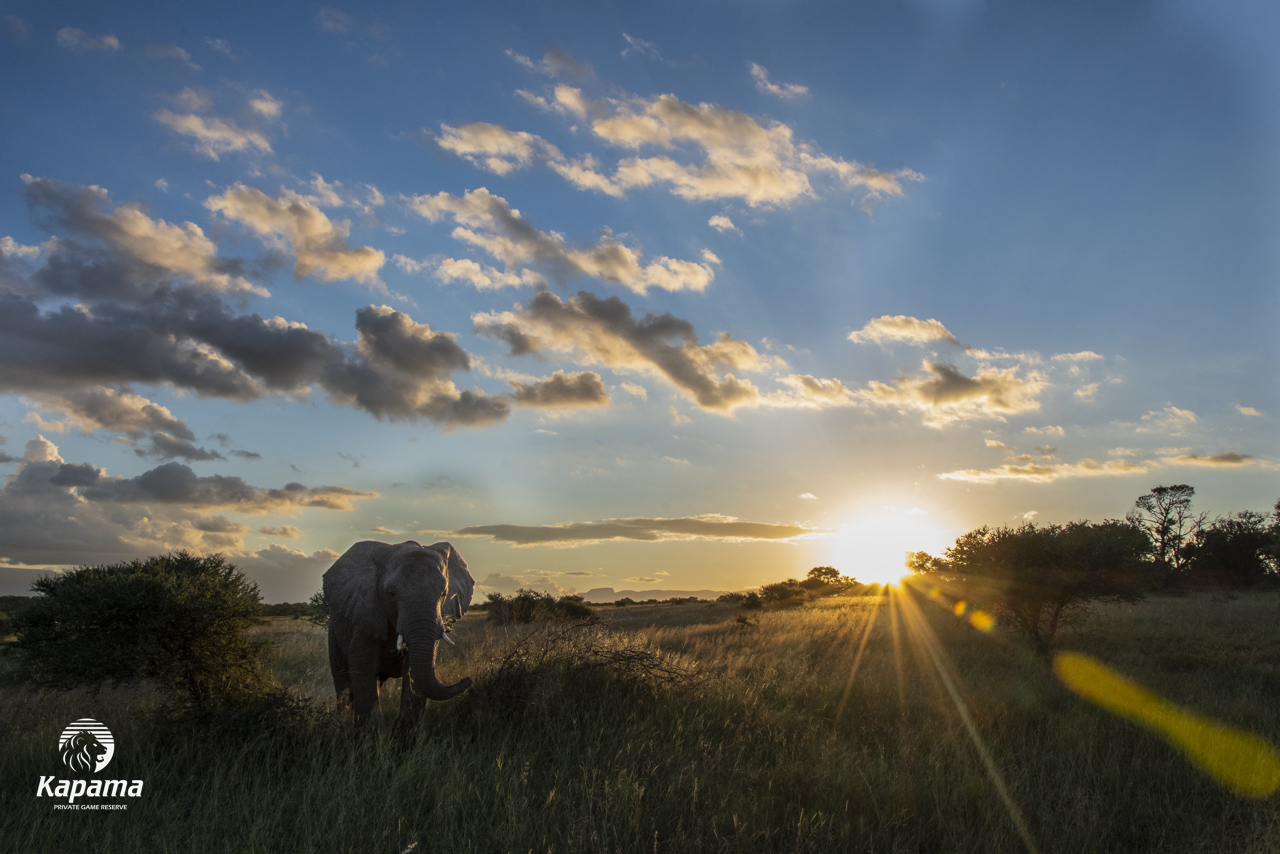
Photos by Southern Camp Ranger – Mike Brown

Latest news

No Results Found

The page you requested could not be found. Try refining your search, or use the navigation above to locate the post.
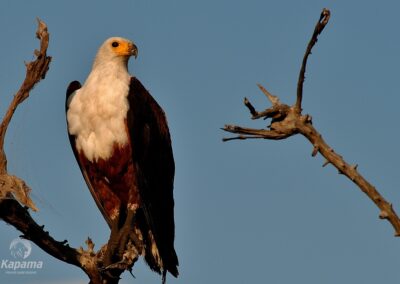
Kapama fish eagle

The Call of Africa

An expert birder was not needed to identify the call, as everyone immediately knew what it was. I Deciding to drive further along the river. On an old dead tree next to the water there it was, posing perfectly on a branch busy scouting for its next meal.
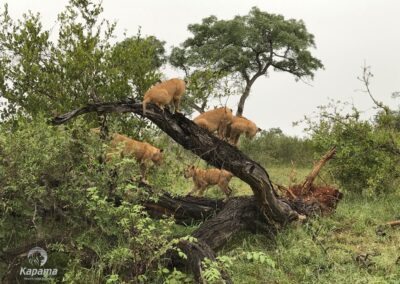
Kapama lions

Rainy Lions

High up on my guest’s bucket list of animals was of course lions. We had been searching for male lions as this was their dream sighting, but they were yet to reveal themselves. As it was my guests last morning, the pressure was on to try to make their African dream materialize.
Earth Hour Kapama

Earth Hour 2018

All guests were invited to join the team in the afternoon before the sunset game drive for an environmental surprise. Not only did we want to reduce our electricity consumption during Earth Hour, but we also wanted to leave our ecological footprint...
Kapama dwarf mongoose

The Strength of Family

Not many people know this, but the Dwarf Mongoose is the smallest carnivorous mammal in the Lowveld. By looking at them it’s hard to think of these little fluff balls as killers. They are, however, very successful predators, feeding on anything they can find.
Hmm… nothing matched your filters. Try changing your selection!