The Leopard
I have been a guide for almost 10 years and love what I do. Every second being in the bush surrounded by the magnificent wonders of the wild makes my passion for nature grow even stronger. A question I get asked the most is, what my favourite animal is?
That is a very difficult question to answer. I love every aspect of nature from the tiniest insect to the mighty Elephant, from the smallest and dullest flower to the largest overbearing tree. What about the fish that swims around the muddy waters or a bird that flies among the clouds gracing us with its beautiful call. They all intrigue me in one way or another. But one animal that gets me the most excited though is Leopard. In particular, tracking a Leopard.
It’s not just about picking up on tracks but also understanding its behaviour as well as habitat and hunting patterns and terrain they prefer most. It’s probably because they are the most elusive cats around and you will only find them if they allow you to find them. Able to track down a Leopard is truly a great feeling and once spotting them, watching them in their natural environment is just breath-taking.
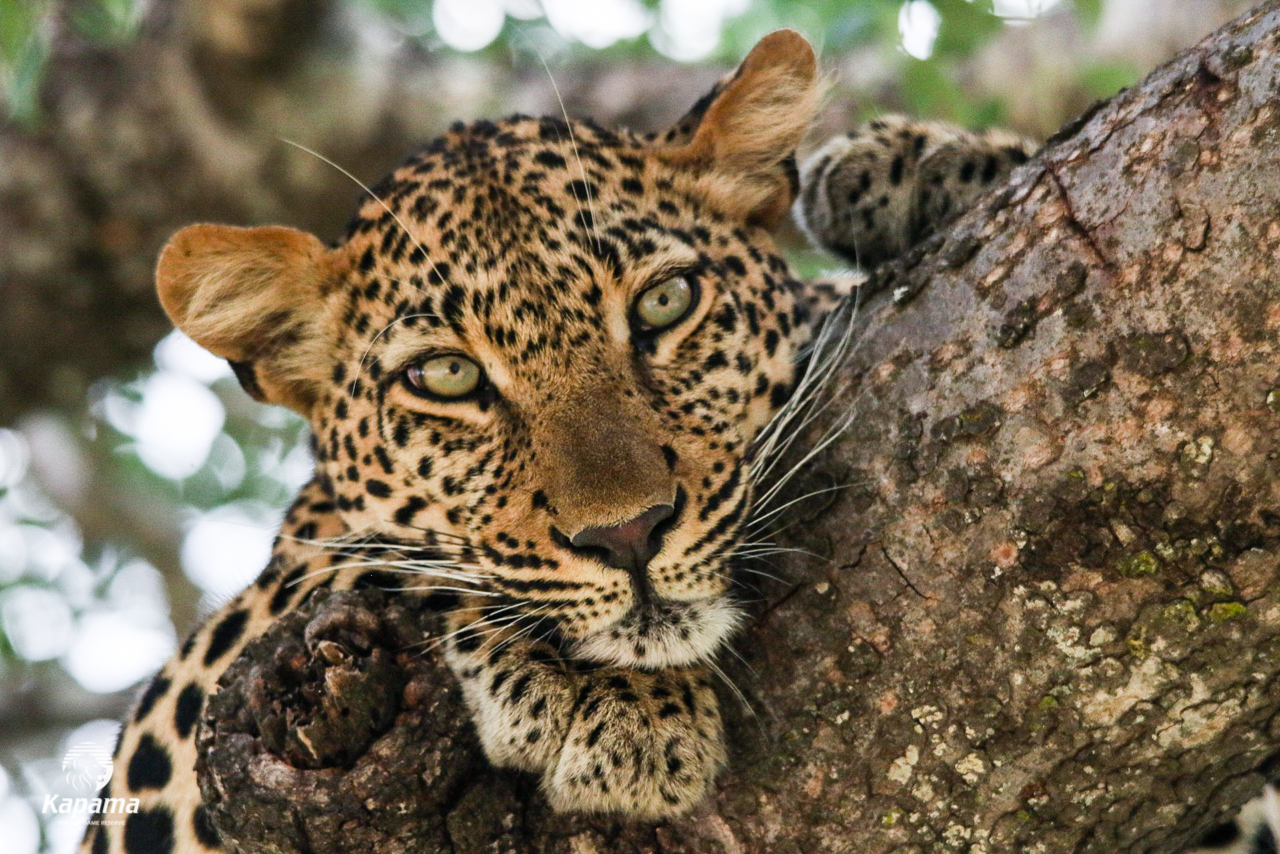


Leopard is the most photogenic animal around and gives you great photo opportunities. Leopard is one of the big 5 for a reason. They are very dangerous animals, not to underestimated and not a cat you want to come across on a bad day. They live a solitary life. The only times you will see Leopard together is the mom and her cub, mating Leopards or two males fighting over females or territories.
Leopards can live about 15 years in the wild and weigh about 50kg to 60kg even though some big males will weigh far more than that. They are extremely fast and agile animals can run about 60 to 70km per hour. They are ambush animals and don’t run after their prey. They feed on a variety of animals, including fish and are well-known fish hunters in some parts of Africa. They are well known for catching Baboons at night.
Latest news
No Results Found
The page you requested could not be found. Try refining your search, or use the navigation above to locate the post.

They will climb a tree where the Baboons are sleeping and grab one. After they have caught prey, they will often drag the animal up into a tree to hide it away from other predators such as Lions and Hyenas. As Lion and Hyena are stronger than leopard they will not hesitate to steal its kill when given the chance.
The Leopard will hang it up in a tree to eat in peace without the fear of its meal being stolen. The leopard can make about 20 kills a year to feed themselves.
To go back to the original question – What is my favourite animal? Even though I love all aspects of nature with its array of animals – Leopard is the one that gets me excited the most.
Story and photos by Ranger Ben Scheepers – Buffalo Camp