World Pangolin Day – 15th February
THE – WHAT, WHO, WHERE, WHY & HOW
The 15th February is World Pangolin Day. Not too many of us are familiar with these shy and elusive animals so we would like to take this opportunity to give a bit more insight into these amazing creatures.
WHAT
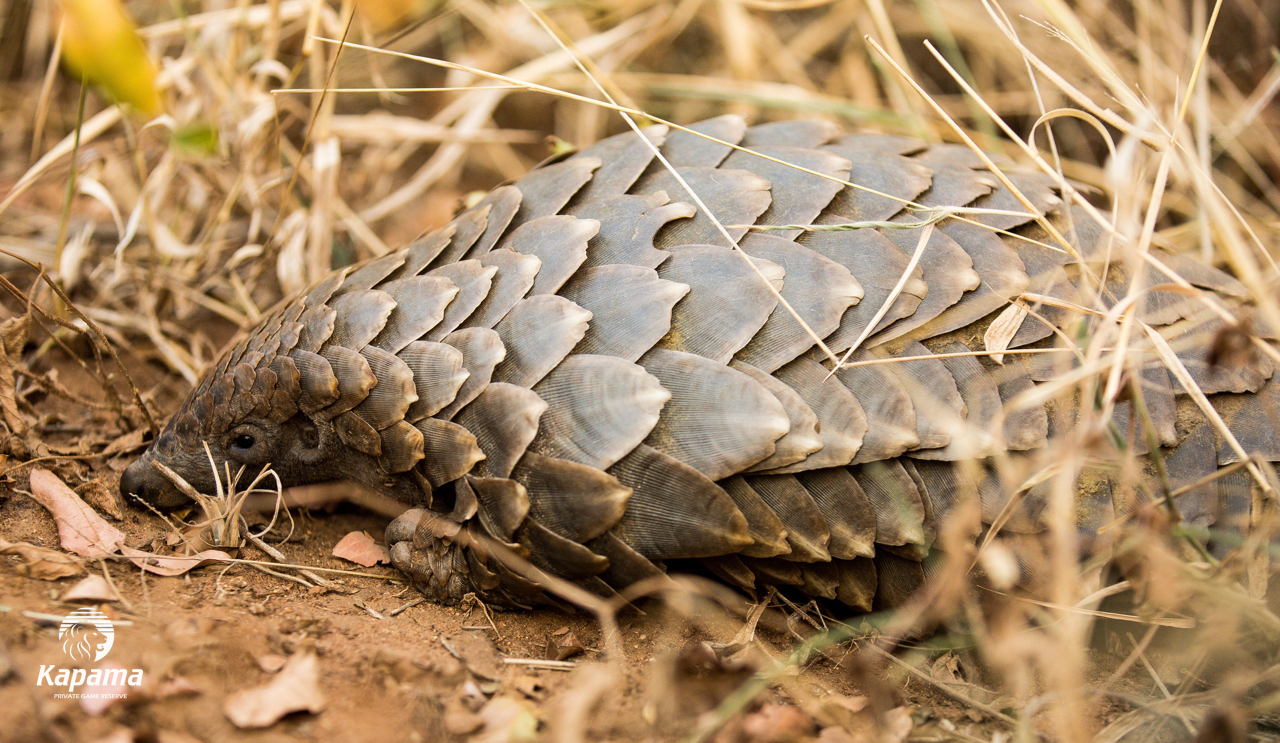
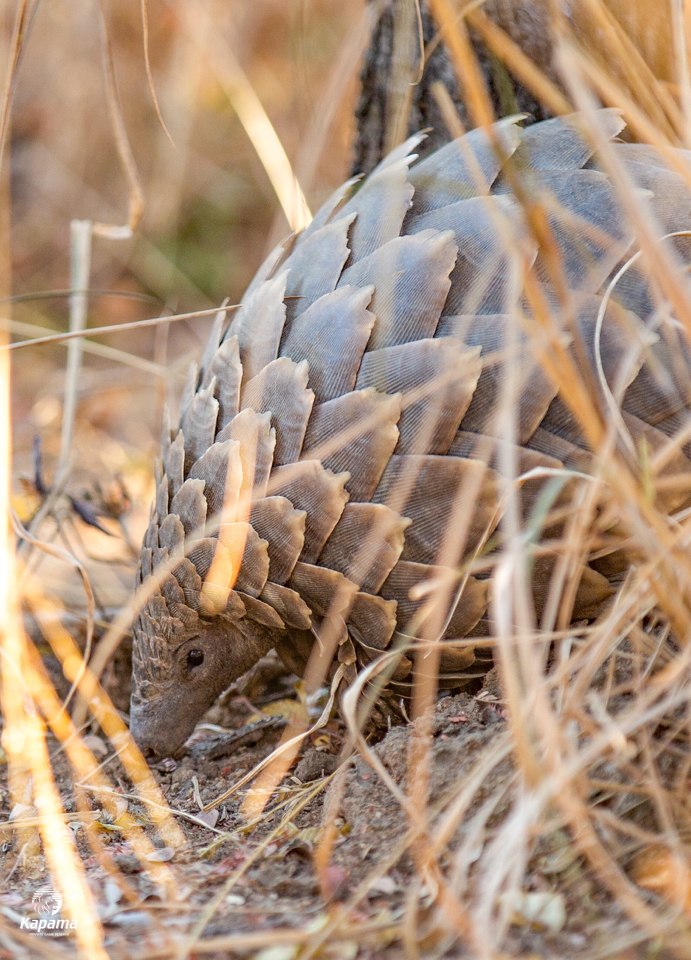
What exactly is a Pangolin? Many people think of this animal as a reptile, because its whole body is covered in hard scales, but it is, in fact, a mammal. It uses these hard sharp-edged scales to defend itself by curling into a tight ball when threatened. It is the only mammal to be fully covered in hard scales which are comprised of keratin (the same substance as our hair and fingernails) which start soft when a baby pangolin is born and harden within a day or two.
Female Pangolins give birth to a single baby. These babies nurse for 3-4 months, although they do start eating insects at around a month old. During the early stages of life, they ride around on moms’ tail.
Pangolins are often referred to as scaly anteaters, due to the fact their diet consists primarily of ants, termites and their larvae, Pangolins are insectivores and do not have any teeth so they use their long sticky tongues to slurp up insects!
It is believed that a single pangolin can consume up to 70 000 000 insects in a year, the majority of that being ants and termites! 70 million!! That equates to around 191 781 per day!
Pangolins have very poor vision, but a great sense of smell which they use to help locate food. They have strong feet for digging open termite mounds with five toes, each containing claws, these claws also help them to climb trees, Pangolins are also very capable swimmers.

WHO
Who is the biggest threat to Pangolins? Sadly, the answer to this is Humans, Pangolins are the second most trafficked mammal in the world next to humans!
Pangolins are in huge demand in the Asian market, especially countries like China and Vietnam, where their meat is considered a delicacy. Their scales are used in traditional medicine and folk remedies while their nails are used to make jewellery and ornaments.
WHERE
Where do Pangolins naturally occur in the wild?
There are 8 species of Pangolin worldwide, they can be found in China, India, South East Asia and Africa.
Pangolins are nocturnal (active at night) solitary animals and they live in burrows in the ground. This makes them difficult to see, and sightings are very rare.
WHY
Why is it important to raise awareness about these unique creatures?
The truth of the matter is the Pangolin is considered vulnerable and they stand the chance of going extinct in the years to come, should poaching continue at the rate it’s at.
Because of their specialised diet, they form a major part of “pest control”, and by digging looking for food with their long nails, they turn, mix and aerate the soil. This improves the nutrient quality of the soil and aids decomposition.
Although it may seem a minimal loss to some, the more naturally occurring parts you remove from a system the closer you get to total system collapse, and we are inching closer day by day to losing the Pangolin forever.


HOW
You might be thinking to yourself what you can do to help raise awareness about these fascinating and unique creatures?
This Pangolin day join us in raising awareness by
> Liking and sharing this blog article, or our Instagram post on https://www.instagram.com/kapamaprivategamereserve/ or our tweet on Twitter – https://twitter.com/KapamaReserve or our Facebook post at https://www.facebook.com/kapamaprivategamereserve/
> Use the hashtag #WorldPangolinDay
> Spreading the word of why they get poached and dispel myths of local medicine
> Report any activity of people dealing or trading with any pangolin parts
Story by Southern Camp Ranger Barry Greenshields – Photos and video by Andrew Taylor and Rassie Jacobs
Latest news
No Results Found
The page you requested could not be found. Try refining your search, or use the navigation above to locate the post.