Predators
On safari, we encounter different types of predators. Most of the time they are relaxed, cool, calm and collected. Lazing around during the heat of the day, beautiful and majestic and most of the time fear nothing. However, this can all change in a matter of seconds if a different predator is in the vicinity
On a beautiful crisp winter morning, my tracker, Safary and I set off with guests from Buffalo Camp. We were full of excitement with high hopes of experiencing amazing sightings. The guests were cosy and comfortable on the game vehicle, snuggled up upped under blankets with hot water bottles to keep them warm from the brisk early morning chill. Top of our guest’s bucket list was, of course, the predators, preferably one of the big cats. However, it’s up to nature, in the end, to see what she will surprise us with on any given day.
Not too long after leaving camp, Safary motioned for me to stop the vehicle as he saw some tracks on the road. I stop the vehicle and climb out to help him identify the track and confirm if it worth following. Looking around we found a dragline that indicated something had dragged its prey. On closer investigation, we both concluded that it looked like a Leopard had crossed this way and dragged a small antelope. We decide to follow up as we might have the privilege of watching this rare and beautiful creature feeding.
The tracks indicated that the prey has been dragged into a small thicket just off the road into the bush. We decide to get as close to the bush as possible to see if we could get a better glimpse. We rounded a small thicket and to our amazement, a young male Leopard was lying at the base of a big tree on the side of a large termite mound with its freshly killed duiker just a few feet away.
While enjoying this amazing view I heard a rustle in the bushes to the side of the vehicle. Out of nowhere, a big male Lion came running out of the bushes gunning straight for the Leopard. The Leopard, just as surprised as us, senses it’s a life-threating situation and decided to abandon the kill and scaled the big tree to get away from the male Lion.

As predators from different species do not get along and compete for the same food source, they do not like each other. With a big growl, the Lion attempted to follow the Leopard up the tree but soon realized it’s not worth the effort lay down at the base of the tree waiting for the Leopard to come down.
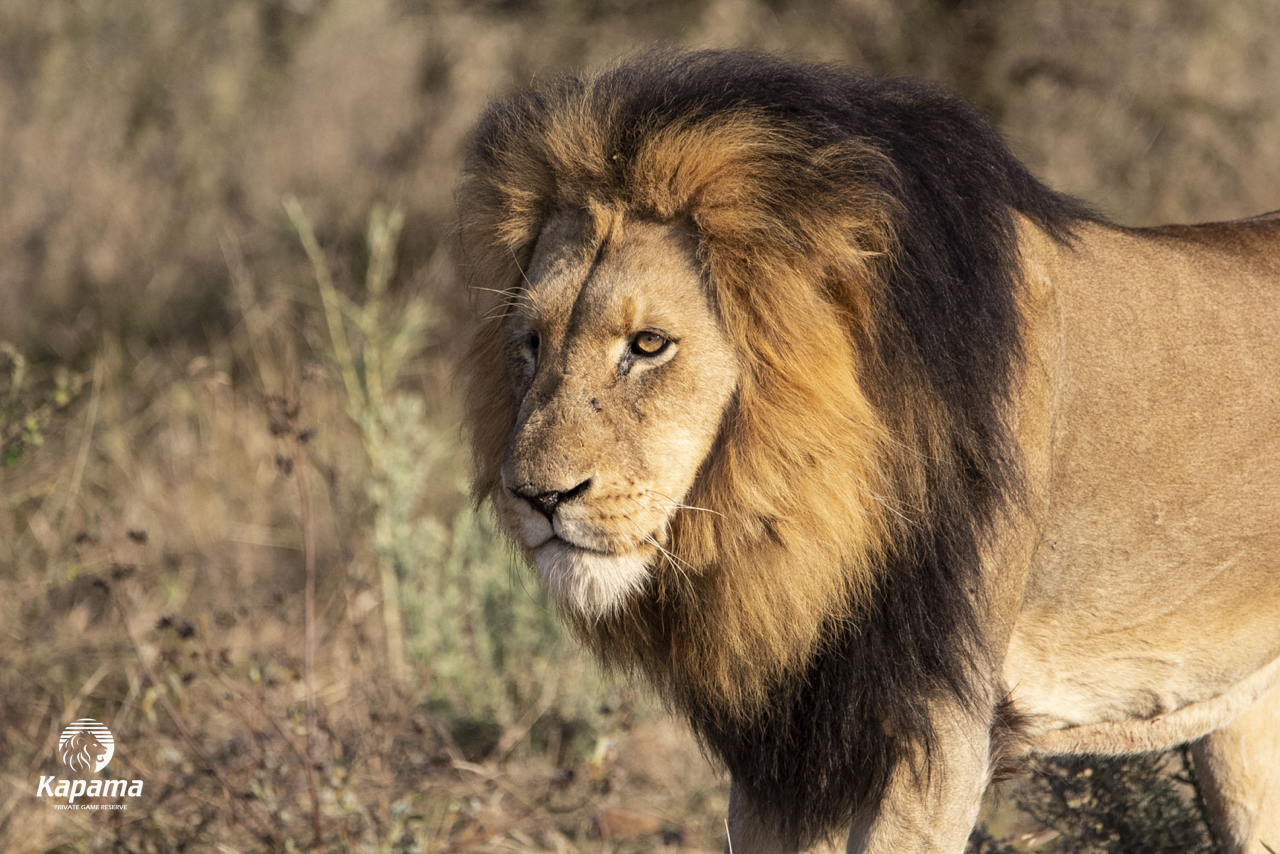
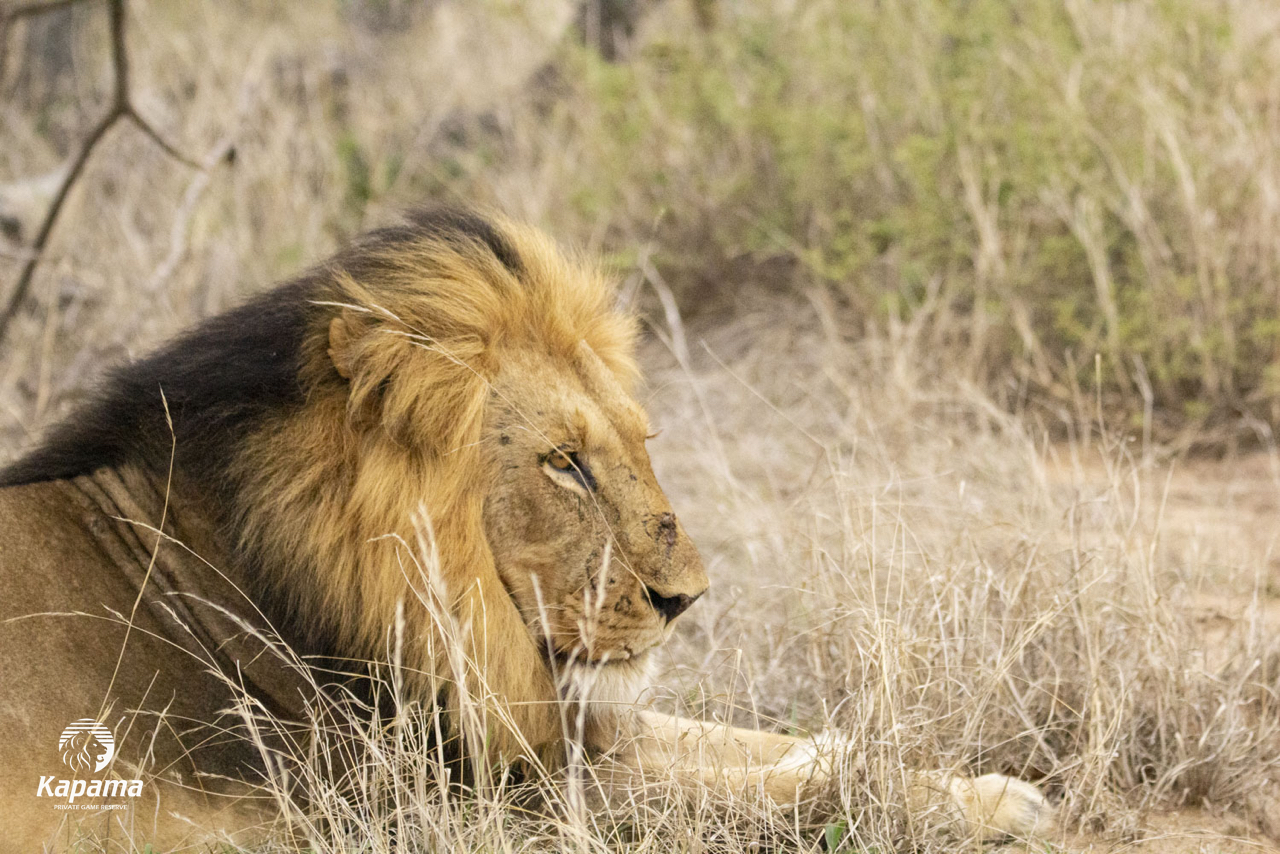
Leopards are comfortable in trees and can spend hours up in them so this would be a long wait for the Lion.
The Lion soon got bored and moved off with the Leopard’s kill leaving us with a sighting of a lifetime and a terrific campfire story. We left the Leopard in peace and returned to camp with happy guests and another item ticked off their bucketlist.
Story and photos by Buffalo Camp Ranger Chris Reiner
Latest news
No Results Found
The page you requested could not be found. Try refining your search, or use the navigation above to locate the post.