
Quick links:
- Little Five Safari Animals – An Introduction
- Small African Animals – The Rhinoceros Beetle
- Small African Animals – The Ant Lion
- Small African Animals – The Leopard Tortoise
- Small African Animals – The Buffalo Weaver
- Small African Animals – The Elephant Shrew
- Small African Animals – FAQS
- Little Five Safari Animals – Biodiversity Matters
Little Five Safari Animals – An Introduction
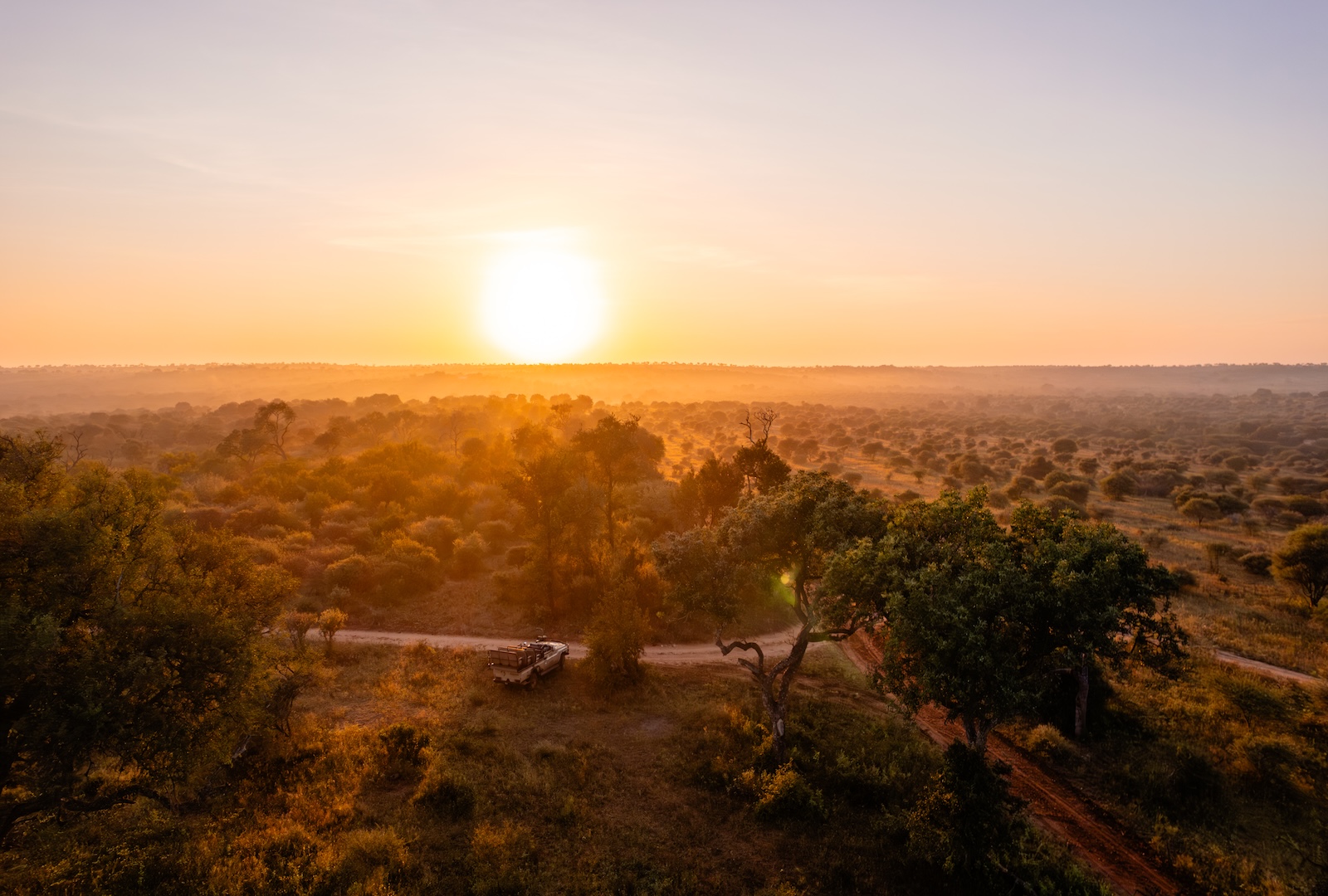
The importance of the Little Five cannot be stated enough. It is easy to be swayed by more well-known and charismatic animals on a typical safari experience, but there are several reasons why smaller African animals are equally important.
Each animal that will be explored here plays a crucial ecological role in the ecosystem. Leopard tortoises help maintain plant health by spreading seeds, whilst ant lions control insect populations and assist with soil aeration. Similarly, elephant shrews also contribute to the balance of insect populations, while buffalo weavers serve as an important food source for predators.
Our Little Five also add an important element to the overall African safari experience. They represent how all species – regardless of their size – are interconnected and each plays a vital role in supporting a balanced food web and thriving habitat. They may not be as photogenic or famous, but each is a wonderful demonstration of diversity and subtlety. Let’s explore each animal in more detail
Small African Animals – The Rhinoceros Beetle
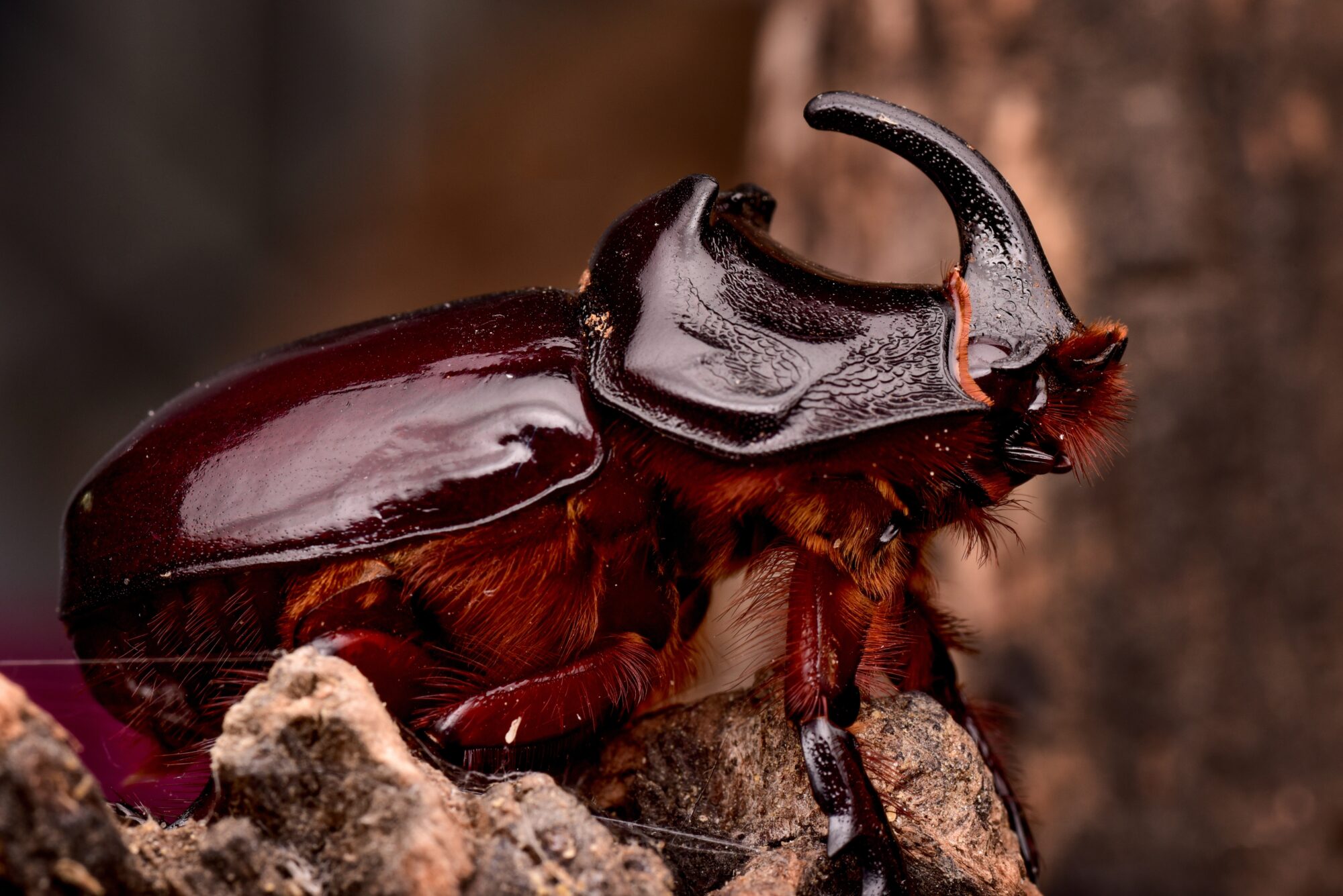
Adorned with horn-like structures on their heads, the rhino beetle is amongst the strongest creatures on Earth relative to its size. It can lift objects up to 30 times its own body weight. That is the equivalent of a human being lifting a tank.
Often found under logs, this member of The Little Five is known as a decomposer. They help break down dead wood and organic matter, returning important nutrients to the soil. Typically about two inches long with a glossy, hard exoskeleton, they are a wonderful find during a safari.
Cautious tourists will be pleased to know that despite their intimidating appearance, these beetles are harmless to humans.
Small African Animals – The Ant Lion
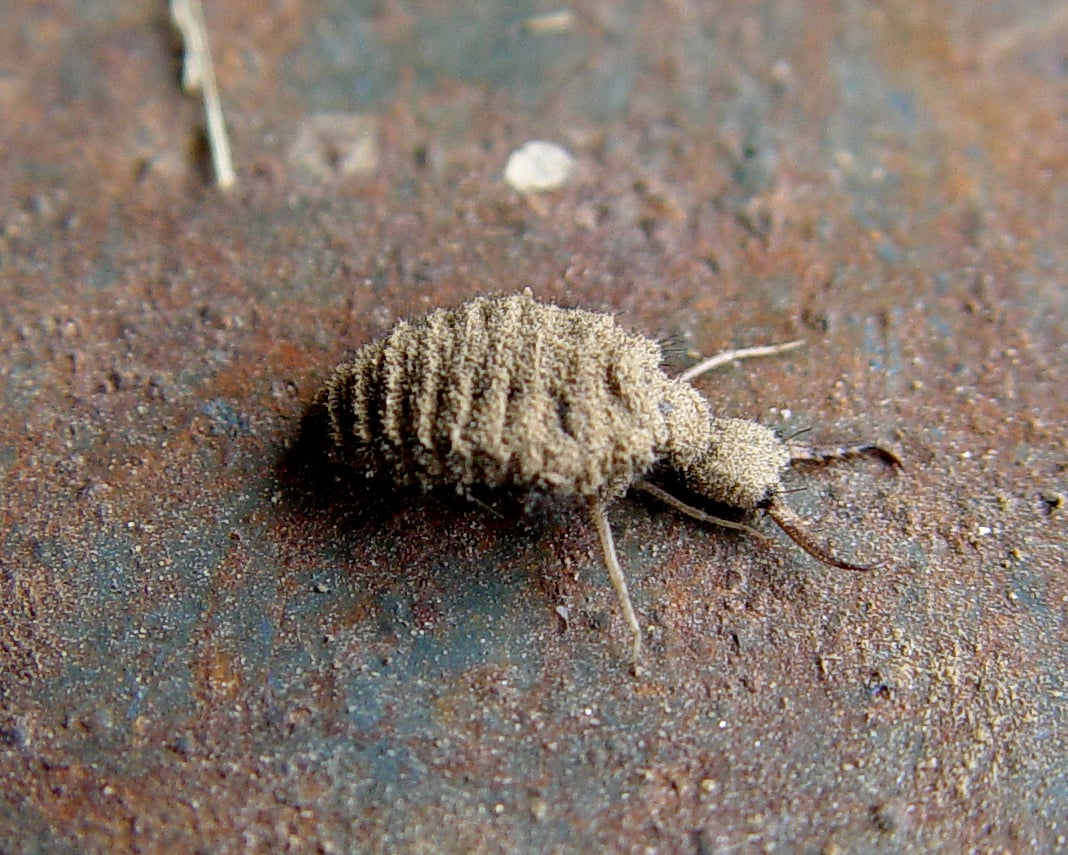
One member of the Little Five that you are bound to spot at Kapama is the intriguing Ant Lion. It may not enjoy quite as much fame as other members due to its tiny size and secretive lifestyle, but it is a fascinating creature.
Interestingly, the term “ant lion” refers to the larval stage that the insect goes through before transforming into a delicate dragonfly-like creature. The ant lion owes its name to its especially ferocious hunting tactics. The brown, 2cm creature lies sedentary at the bottom of a trap of its own making, waiting for its prey.
Often called nature’s death funnel, the ant lion larva is the architect of a cone-shaped sand pit. Ants or other small insects often stumble into the pit, where they are dealt with quickly. Their presence on this list is well-deserved, as they are excellent at controlling insect populations. Confirm with your guide about spotting this stunning creature.
Small African Animals – The Leopard Tortoise

One of the most striking and important members of the Little Five, one glance at the leopard tortoise will tell you immediately how it garnered its name. Typically around 18 inches long, its domed shell resembles the coat of a leopard.
While aesthetically gorgeous, the prominent pattern of black and yellow spots also offers protection from predators by allowing the animal to blend into the environment. While they mostly feed on grasses and fruits, they have been known to occasionally indulge in bones or carrion for calcium.
This animal has earned its place on the list due to its incredible contribution to the health of the ecosystem. They aid in seed dispersal through their droppings and graze on a wide range of vegetation. It is truly a remarkable creature that will no doubt be a highlight of your safari experience.
Small African Animals – The Buffalo Weaver
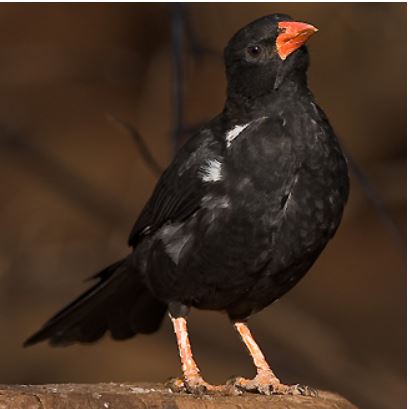
Often heard before they are seen due to their raspy, loud calls, the buffalo weaver is one of the more interesting members of the family. They are renowned amongst birding enthusiasts for their elaborate nest-building. These nests are so sturdy and durable that African pygmy flacons have been known to reuse them instead of building their own.
Their features are also incredibly distinctive. The red-billed buffalo weaver is most likely to be spotted at Kapama and is known for its striking plumage. Expect to find this species foraging near buffalo herds with its memorable dark chocolate-brown feathers and white-flecked wings.
Noisy and expressive, the buffalo weaver is famed for its range of acrobatic displays and parrot-like vocal performances. From hanging upside down from branches to communicating with distinctive whistles, they are the most charismatic member of the Little Five.
Small African Animals – The Elephant Shrew
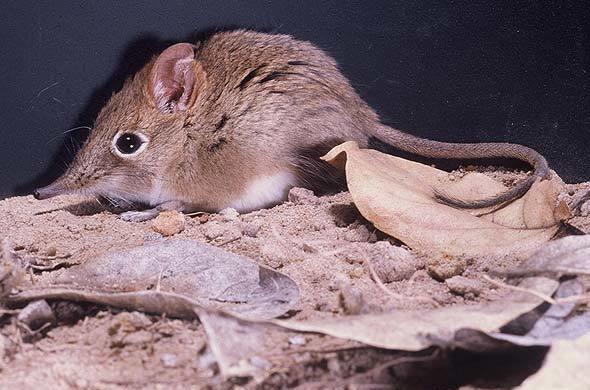
Also known as the sengi, the elephant shrew is the most unique addition to the list. Their unique appearance (a long, trunk-like snout) is used to sniff out insects and other prey. It is also very reminiscent of an elephant trunk, which led to the critter’s name.
In comparison to the rest of the family, the elephant shrew is remarkably agile, with hind legs that allow them to evade predators effectively. Primarily insectivorous, this animal is also known to feed on fruits and seeds.
While every member of the Little Five has a unique backstory, the one belonging to the elephant shrew is a standout. They belong to one of Africa’s oldest mammalian lineages – dating back more than 50 million years. Theirs is a special branch of the mammal family tree, and their place on this list is well-deserved.
Small African Animals – FAQS
What are some excellent examples of small animals?
Animals such as the pygmy rabbit, pygmy marmoset, bee hummingbird, and Madame Berthe’s mouse lemur are great examples of smaller animals in the kingdom.
What is the name of the smallest living animal in the world?
An animal species known as the Myxobolus shekel, which grows to no more than 0.0085 mm, is the smallest known animal.
Which small wildlife animal is regarded as the smartest?
The honour goes to the elephant shrew. This member of the family has a relatively large brain for their size and often demonstrates higher cognitive abilities in comparison to the rest of The Little Five.
Little Five Safari Animals – Biodiversity Matters
The Little Five are exceptional in that they represent all the aspects of what makes an African safari so unmissable. From the antics of the buffalo weaver to the elusiveness of the ant lion, everyone has striking characteristics. The inclusion of the Little Five in broader conversations does, however, point to something more. For far too long, we have focused our attention on The Famous Big Five, and in doing so, forgotten the profound impact that smaller animals have on the environment.
From pollination to pest control, nutrient cycling to food web stability, each species has ticked a biodiversity tickbox that we may not even have heard of. The Little Five serve as critical reminders that every member of the animal kingdom is essential, interconnected, and has an important role to play.
Check with your guide at Kapama to find out which member of The Little Five you can spot on your safari experience.


