Nocturnal Animals – Quick Links
Nocturnal Animals – An Introduction
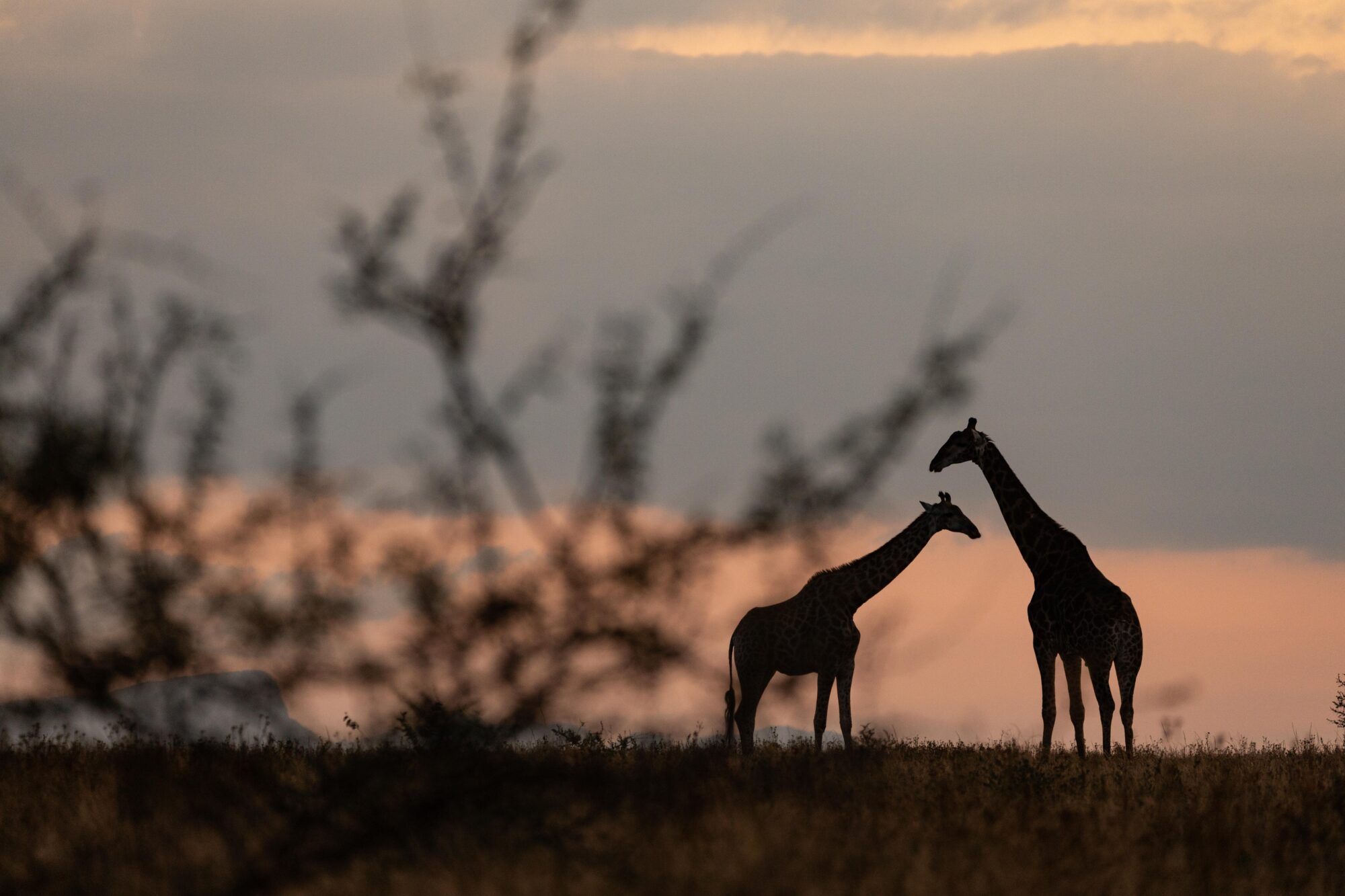
If the safari world had its stars, they would most likely be found roaming around during the day. As a cast, each active performer is renowned for their role. There is the high-pitched cackle of the hyena, the defensive grunt of the warthog, and the low-pitched drone of a herd on the move. Visually, you will be greeted by a family of wild dogs, zebras, hippos, and buffalo. And to the sky? Watchful birds of prey and ground hornbills.
They are well-known players, and rightfully so. But what of the wildlife that roam the
Kapama plains at night? Affectionately known as the “Ghosts of the Bush”, nocturnal dwellers also deserve a moment in the spotlight. Their world is at once exclusive and exciting as guests peek into behaviour that is not seen on a standard safari.
It is the reason why night safaris with
Kapama are such a special experience. Within the cloak of darkness lies the thrill of the unknown. A genet may dart through the trees at any moment. A leopard may be caught in the act of stalking its prey. It is a magical experience. Read on as we explore the top five most interesting nocturnal animals.
Nocturnal Wildlife – The Pangolin

There is something otherworldly and downright prehistoric about the appearance of the famed pangolin. It is the only mammal in the world that is covered entirely in tough, overlapping keratin scales. This, paired with their pointed snouts, makes them seem like a creature straight out of a fantasy novel.
They are evolutionary marvels from an ancient species that has roamed the Earth for about 80 million years. Despite a few similarities, they are neither rodent nor anteater, and are often described as one of the most special animals on Earth due to their rarity.
The animals are notorious for being shy and can only be spotted at night, but not without a fair amount of effort. Specialists may have to use the aid of a radio transmitter to increase the odds of spotting an elusive pangolin. Check with your guide at
Kapama about spotting one on a night safari.
Nocturnal Wildlife – The Bushbaby

Night safaris are unique for several reasons. One of those is the incredible amount of vocalisations that you can hear throughout the experience. A standout in the choir is the voice belonging to a creature that croaks, chatters, whistles, and even has a baby-like cry: The bushbaby.
Our bushbaby is remarkable with its disproportionately large, forward-facing eyes that provide superior night vision. They emit a reddish glow in torchlight, which makes spotting this animal a thrilling experience. As small as the bushbaby is, it plays a vital role in the ecosystem. These critters are omnivores and feast on everything from insects, fruit, tree gum, and even small vertebrates.
A truly captivating primate, it continues to fascinate our visitors with its acrobatics, expressive features, and charm.
Nocturnal Wildlife – The Aardvark
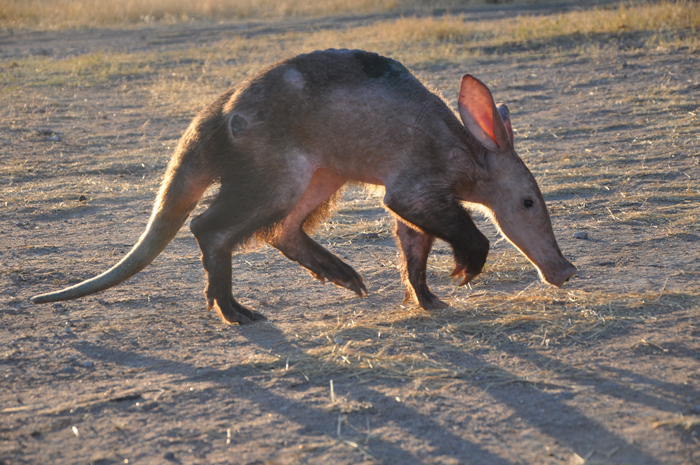
One glance at the interesting aardvark, and you would easily mistake it for an anteater. In truth, this medium-sized, burrowing, nocturnal animal is more closely related to the elephant and manatee family. Its name may also ring a bell if you are familiar with the Afrikaans language. Aardvark directly translates to “earth pig”, a nod to its pig-like snout and burrowing habits.
Those burrowing habits are what make this species so distinctive. Their burrows are wonderfully elaborate, with a range of multiple chambers and entrances. It also helps them evade predators (an aardvark can dig a hole and cover themselves with soil in under 10 minutes when threatened).
While no doubt unique in its appearance and behaviour, the aardvark is famed for its elusive, solitary lifestyle. There is a cloak of mystique that surrounds this mammal, earning it a well-deserved spot on this list.
Nocturnal Wildlife – The Aardwolf
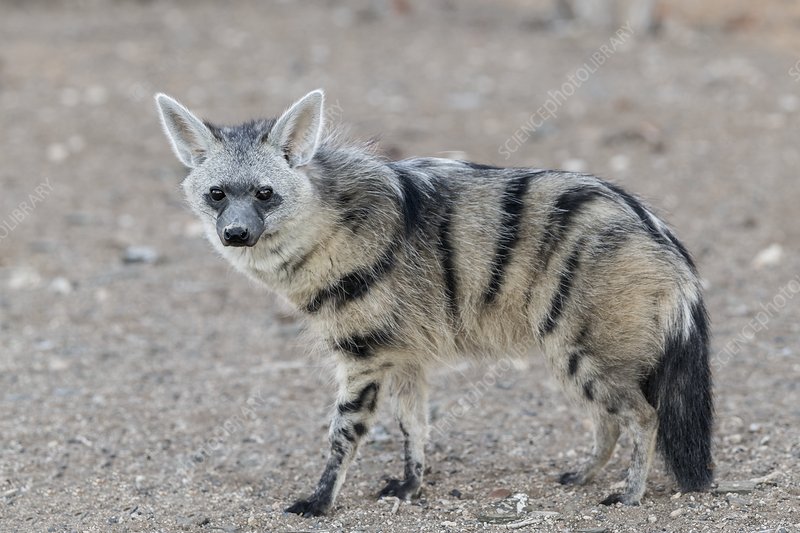
A distant cousin (but family nonetheless) of the hyena family, the quirky aardwolf is a fascinating creature. While it certainly resembles its more famous relative, the habits of the aardwolf couldn’t make it more different.
The most interesting of those habits is that this mammal is not a hunter. This nocturnal creature is a termite specialist, capable of feasting on nearly 250,000 termites in a single night. While it has sharp canines for show, its back teeth are reduced to tiny, peg-like molars, perfect for their soft-termite diet. Their diet makes them vital in their ecosystem, as they keep insect populations in check without the need for pesticides.
Check with your
Kapama guide, as spotting this shy and elusive mammal is incredibly rare, so much so that wildlife enthusiasts refer to the aardwolf as the “ghosts of the savanna” due to their stealth and nocturnal nature.
Nocturnal Wildlife – The Genet

Between its mix of cat-like grace, quirky behaviours, and ecological importance, the genet is a standout on this list. Their appearance is almost chimeric, a blend of cat, ferret, and even mongoose. Despite their feline grace, they are family members of the mongoose and hyena clan. It is this evolutionary pocket that makes them so mesmerising.
Equipped with exceptional climbing skills and lightning reflexes, they are the most agile nocturnal animal on this list. Some have been known to hitch-hike on larger animals (genets have been spotted riding buffalo). It is a whimsical touch to their behaviour.
Similar to other nocturnal animals on this list, there is a mysterious air to the genet. It is elusive and solitary, with large eyes and sensitive ears. Many have nicknamed the animal “Africa’s secret ninjas”, fueling their aura of mystique.
Nocturnal Wildlife – FAQS
What is an example of a famous nocturnal animal?
Found nearly worldwide, that honour would go to the bat. They are extremely recognisable and play a pivotal role in every ecosystem.
What is the name of the world’s largest nocturnal primate?
As far as primate standards go, the largest would be the very interesting-looking aye-aye from Madagascar. It is famous for its unique appearance and for constructing spherical leaf nests, where it can be found sleeping in the daytime.
Are there any downsides to an animal being nocturnal?
Yes. From affecting an animal’s ability to find a mate to decreasing their ability to successfully hunt, there are some downsides.
Nocturnal Animals – A Hidden Kingdom

There are different dimensions to a South African safari, and a nocturnal one adds an extraordinary layer. It is immersive, magical even, and reveals a hidden world tucked just out of sight. The unique adaptations of the animals on this list are all masterclasses in survival and are thrilling to witness. From the distinct hoop of a bushbaby to the husky scent of an aardwolf, this is a sensory experience that a daytime drive cannot hope to offer you.
Connect with your guide at
Kapama Private Game Reserve, and see what kind of nocturnal encounters await you.


