What are the Huge Mounds on the side of the Road?

This is a question I get a lot from guests when we are out on safari. And it is something that is actually rather interesting.
Here are 10 Interesting Facts about Termites and Termite Mounds
- In South Africa, there are about 40 different species of termites and all of them look different
- The species that we find on safari is known as the “fungus eating termites”
- They will build these mounds by using their own saliva and sand particles and are as hard as cement
- They build the mounds very slowly and it takes approx. 10 years to build 1 meter above ground as well as below ground
- Now inside these mounds, you will find different types of termites such as your workers, Soldiers, King and Queen
- The only thing the King and Queen do is reproduced
- The Queen can lay up to 100 eggs that will become termites
- These termites will become Workers and Soldiers that will build and protects the Mound
- The workers are white (albinos) in colour and will only work on any damages on the outside of the mound at night because of the fact that they are very sensitive to sunlight
- You also get different types of Soldiers namely: Spear soldiers, sacrificing soldiers and pinching soldiers. Speer soldiers look like they have a spear on their nose, sacrificing soldiers have got a chemical that they release for defence, Pinching soldiers have got Pinchers on their nose that will “Pinch” the Predator quite badly.
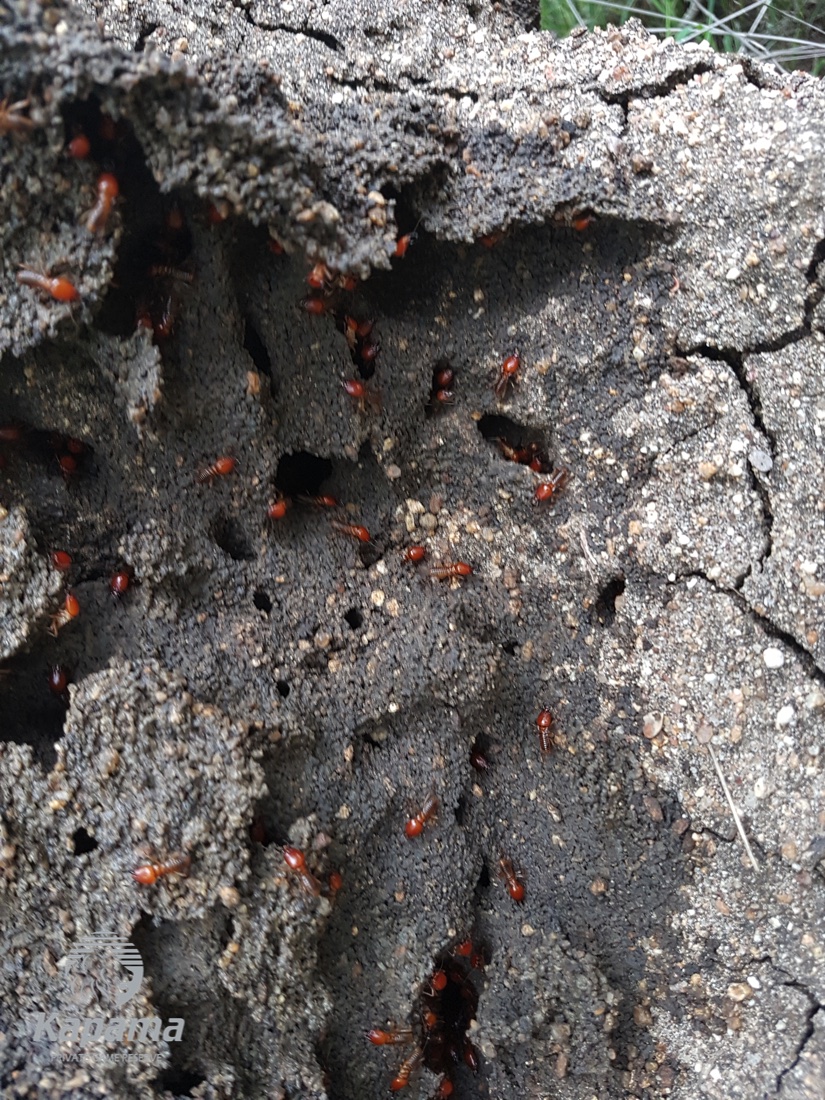
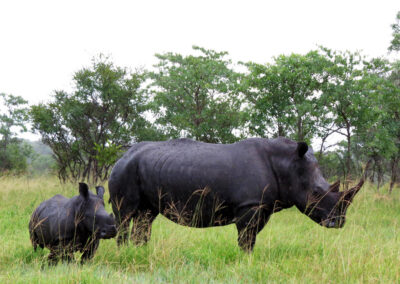
The known Predators for Termites are Humans, Aardvark, Matabele Ants and some species of Birds. The mounds are also being used as a scratching post for some animals such as Rhino, Buffalo, Warthog, where all their hard work can be destroyed in much less time that it took to build.

Another fantastic fact about termites and their mounds is that they can help you get your bearings and direction if you are lost as most of the time the tip of the mound leans to the North. These mounds can give you a bit of heat as well as they are at a constant temperature of 32°C in summer and winter.
Story and photos by Ranger Alex Kirsten & Give Ndlamini – River Lodge
Latest news
No Results Found
The page you requested could not be found. Try refining your search, or use the navigation above to locate the post.