Planning a safari is an exciting experience – and choosing the right time of year can make your trip to
Kapama Private Game Reserve even more unforgettable. Kapama is a year-round destination, with each season offering something unique for wildlife lovers, photographers, and those seeking a luxurious escape into the African bush.
Whether you’re dreaming of close encounters with the Big Five, dramatic landscapes, or warm sundowners under golden skies, this guide will help you discover the best time to visit Kapama for your ultimate safari adventure.
Quicklinks:
A Year-Round Safari Destination
Located in the
Greater Kruger area of Limpopo, South Africa, Kapama enjoys a subtropical climate with distinct
wet and dry seasons. This creates varying conditions throughout the year – each offering different wildlife viewing and travel experiences.
Dry Season (May to September): Peak Game Viewing
Best for: Big Five sightings, photography, bush walks
The dry season, spanning
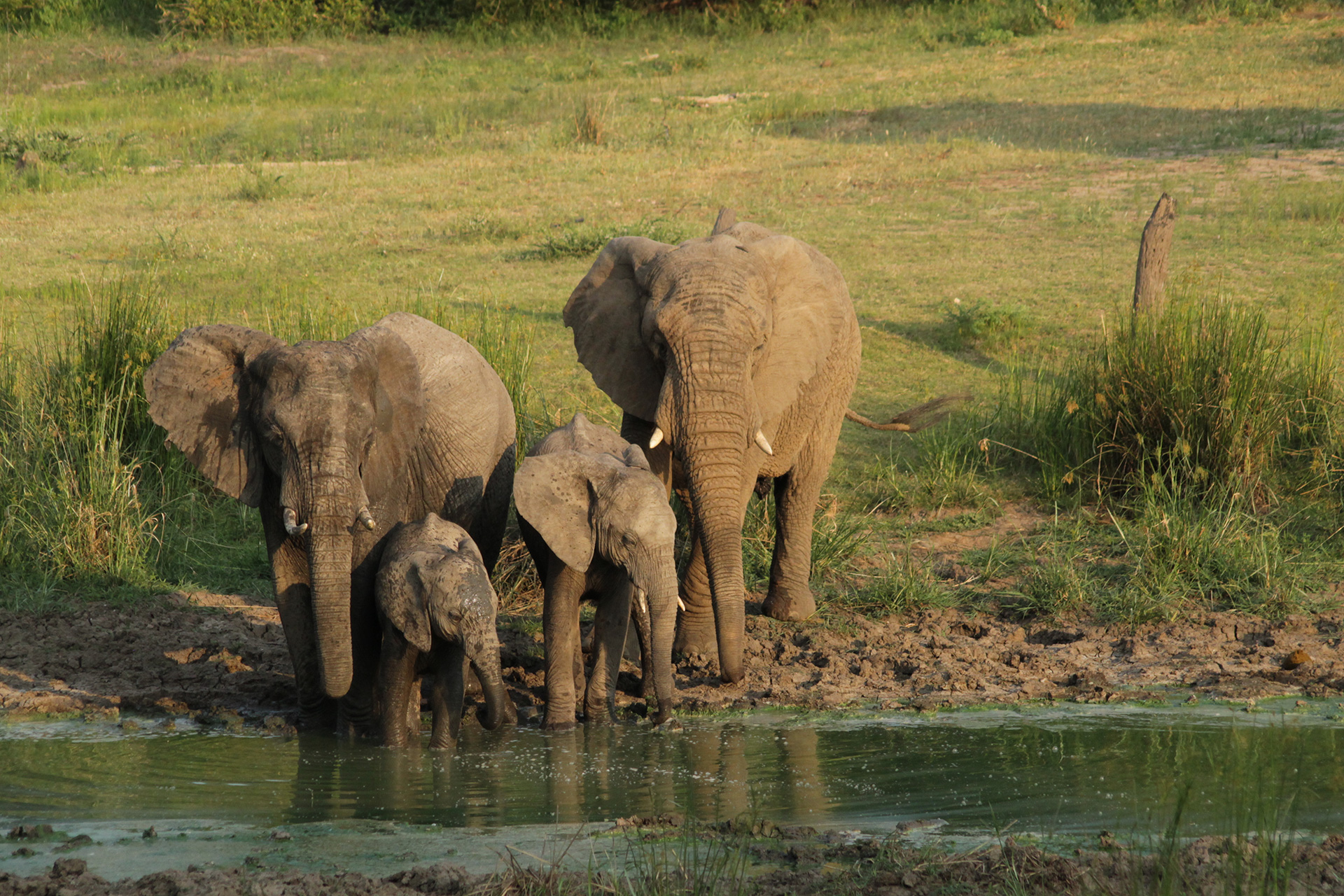
late autumn to early spring, is widely regarded as the best time for game viewing. With less vegetation and fewer water sources, animals are easier to spot as they gather around permanent waterholes and rivers.
Why visit in the dry season:
- Clear visibility: Sparse bush makes wildlife easier to see.
- Cooler temperatures: Especially comfortable for morning and evening game drives.
- Photographer’s dream: Crisp, golden light and dust trails create dramatic photo opportunities.
- Less rain: Less chance of weather interruptions or muddy roads.
Best Months to Visit Based on Your Safari Priorities
| Safari Interest |
Ideal Months |
| Big Five & predator sightings |
June to September |
| Birdwatching |
November to March |
| Photography |
May to August |
| Lush scenery & flowers |
December to February |
| Fewer crowds & lower rates |
January to April |
Seasonal Highlights at Kapama
- June–August: Excellent for lion, leopard, and elephant sightings with cool mornings and dry bushveld.
- September: Ideal balance of dry weather and rising temperatures – a top safari month.
- December–February: Newborn animals, dramatic skies, and vibrant vegetation.
- March–April: Transition months offering both wildlife and scenic beauty.
No Matter When You Visit, Kapama Delivers
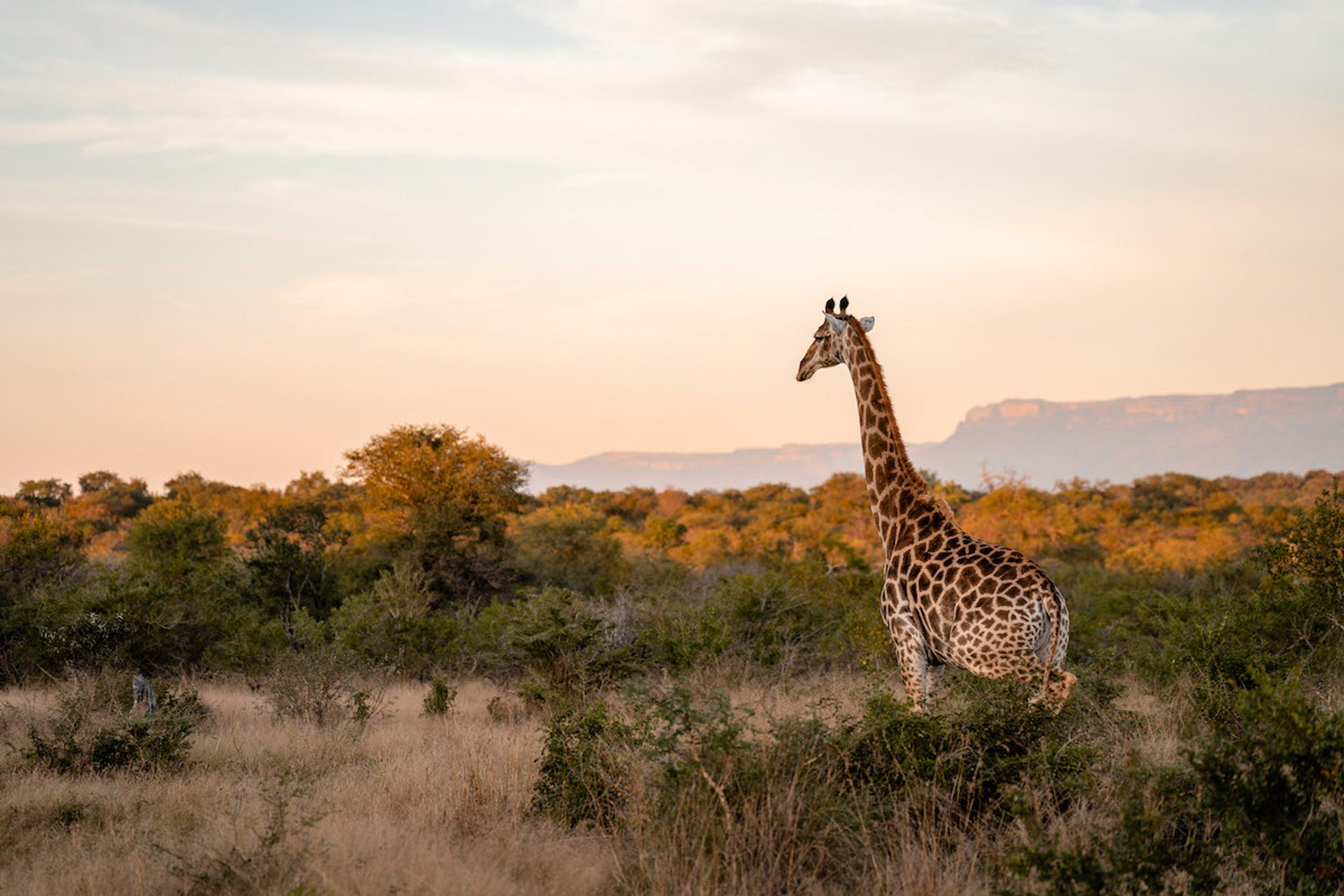
One of the standout features of Kapama is that no two days are ever the same. Thanks to its rich biodiversity, professionally trained guides, and expertly designed safari experiences, you’re guaranteed an adventure – regardless of the season.
With four unique luxury lodges –
Kapama River Lodge,
Southern Camp,
Buffalo Camp, and
Kapama Karula – you can enjoy exceptional comfort and service while being immersed in nature year-round.
Book Your Safari Escape
Ready to experience Kapama? Whether you prefer the clear, crisp days of winter or the vibrant energy of summer, the best time to visit is simply when you’re ready for a true African safari adventure.
Explore your options and book your stay at kapama.com.


