The “Dagga” Boys
We left Buffalo Camp for our afternoon game drive. Not knowing exactly what you will find while out on a safari is what really makes each day such an adventure, not only for the guests but also for us as rangers and trackers. You never know what amazing sighting you will encounter and how your guests will react.
Even though we are slowly moving into winter, the days are still relatively warm with the hot African sun beating down on the land below. During these hot days, some of the animals such as Rhinos, Elephants and Buffalos still like to spend time at the waterholes. Sometimes to drink and sometimes to wallow in the mud. Buffalos can drink up to 40 litres of water twice a day. The mud helps them to not only cool off by reducing their body temperature but serves as protection against sunburn as well as allows them to control parasites on their skin such as ticks.
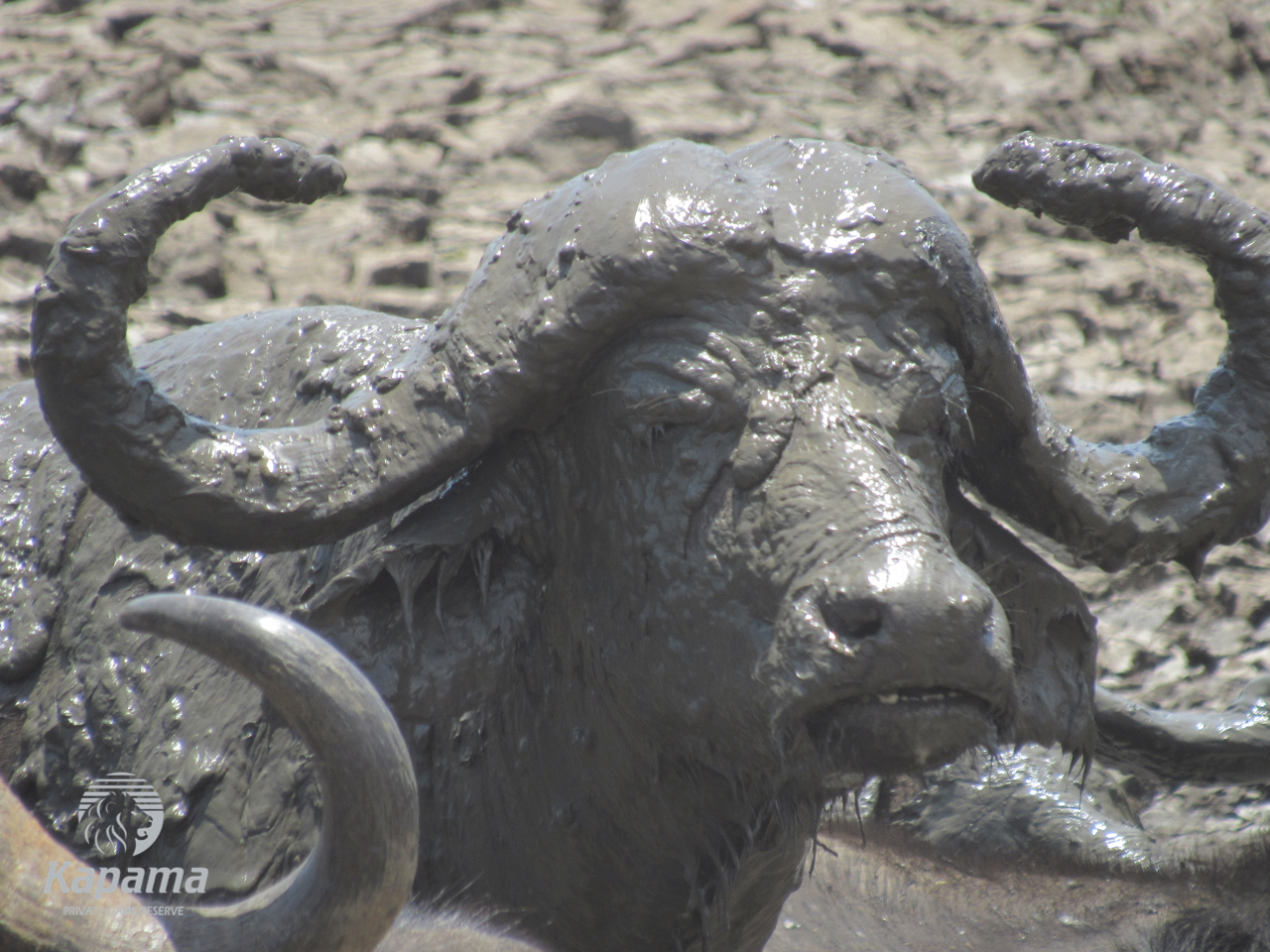

While we were having a wonderful day out on the afternoon safari, with my guests enjoying every moment of their African wildlife experience, we came across a small group of Buffalos. As I mentioned previously, Buffalos like rolling in the mud most of the time. For my guest’s they could not differentiate if they were males or females. This was the perfect opportunity for me to elaborate on a few interesting facts about one of the Big 5, that for me is just as fascinating as seeing them out in the wild. I told them to look at the horn structure and I pointed out that they were older male Buffalo.

These solitary older male buffalos are sometimes referred to as “Dagga Boys”. The word dagga comes from one of the African languages which means mud. These buffalo are normally the ones that have been forced out of the herd by the younger ones.


We stopped there for a long time giving my guest’s the opportunity to take lots of pictures. While they were taking in the scenery I continued to explain males have bigger “bosses”. The word boss refers to the helmet they have on their horns as males need it to protect their brains when they fight with each other. While females have very small horns. It was not easy for them to believe that among the big five animals the buffalo is the most unpredictable animal as it does not give any warning when they attack.
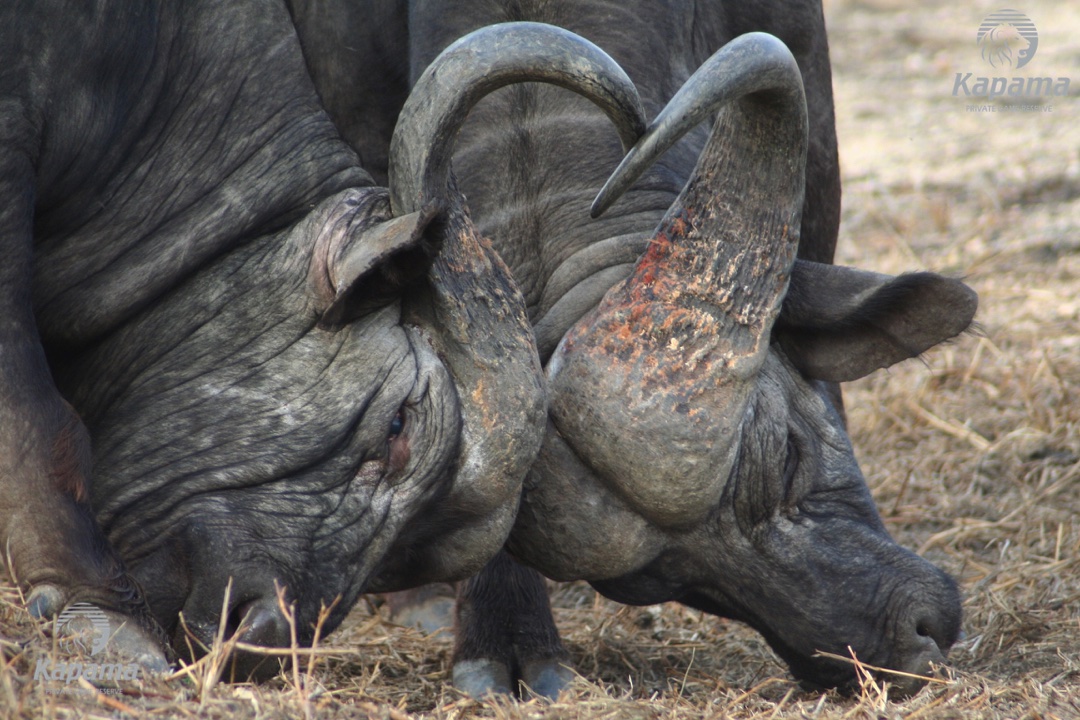
I continued to explain to my guests that the biggest danger with buffalo normally lies with these older males or “Dagga Boys” who no longer live with the breeding herd. Their best defence is to attach, and that is what makes them so dangerous. As the old males tend to be solitary or form smaller groups of around 6 or so, they are more likely to be provoked into an attack as they don’t have as much safety as a huge big herd would. It is not uncommon to have over 1000 buffalo in a herd of both sexes and ages. This type of herd is very protective and a distress bleat of calves could bring the whole herd to stampede.

Coming across this group of the dagga boys was a wonderful sighting for my guests. Not only could they tick a Big 5 off their list, but it gave them an opportunity to learn a lot about their behaviour and what goes on in nature.
Another wonderful day in Africa.
Story by: Jeffrey Mmadi – Buffalo Camp
Latest news
No Results Found
The page you requested could not be found. Try refining your search, or use the navigation above to locate the post.