The Little Five and Smaller animals in Nature
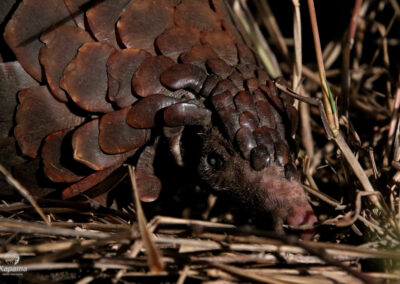
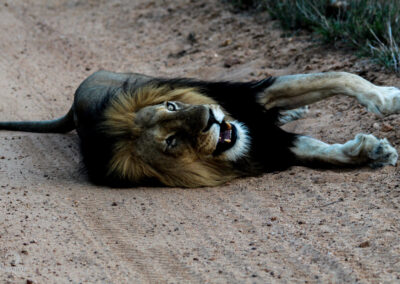
We as Guides get Guests from all over the world and the one thing that we hear on a daily basis is a request to see the Big 5. However, although magnificent and amazing to see in their natural environment, sometimes it is just as exciting to move away from the Big 5 and focus on a few of the smaller things in nature.
Recently I had a couple from the U.S stay at Kapama River Lodge for 3 nights. I picked them up from the Hoedspruit/ Eastgate airport. This is always a great way to get to know each other a bit better. Questions I ask are: “Is this your first time to South Africa?” or “Have you ever been on a safari before?” etc. Then I usually ask my guest if there is anything in particular that they would like to see during our game drives and day-after-day, to no surprise, I get a request for the Big 5. This is completely understandable and expected as most people venture all the way to South Africa to experience these magnificent creatures.
But on this particular day, I got the best surprise ever when the husband said, “Please, Just not the Big 5”. I stopped and asked why, eager to know why he was so adamant Elephant, Lion, Buffalo, Leopard and Rhino were not on their bucket list. He replied that at a lodge where they were prior to Kapama, the guide only concentrated on the Big 5 but didn’t stop at all for the smaller things. “We have been on numerous Safaris in South Africa and have most definitely seen all of the Big 5. So please, on at least one game drive can we only concentrate on the smaller things.” He almost pleaded. I got so excited and immediately nodded in agreement. I knew I had a kindred spirit on the game vehicle, and that our time together would be something special.
That afternoon we left the comfort of River Lodge to begin our exploration of the marvels of the bushveld. We started off, not with a one of the Big 5, but rather one of the Little Five. We found a Leopard Tortoise slowly making its way along one of the roads. They get their name from the yellow and black spots on their shell and they are the world’s fourth largest tortoise species.

Although we did not spot them, the rest of the Little Five is made up of Red-billed Buffalo-weaver, The Elephant Shrew, the ant Lion and last but certainly not least the Rhino Beatle. They are so called as the male Rhino beetle has a signature horn on the top of its head. A Rhino beetle can also lift 850 times its own body weight!
As we moved on from the Leopard Tortoise, nature just kept on surprising us with snakes, birds, wildflowers, snails, mushrooms and so much more.
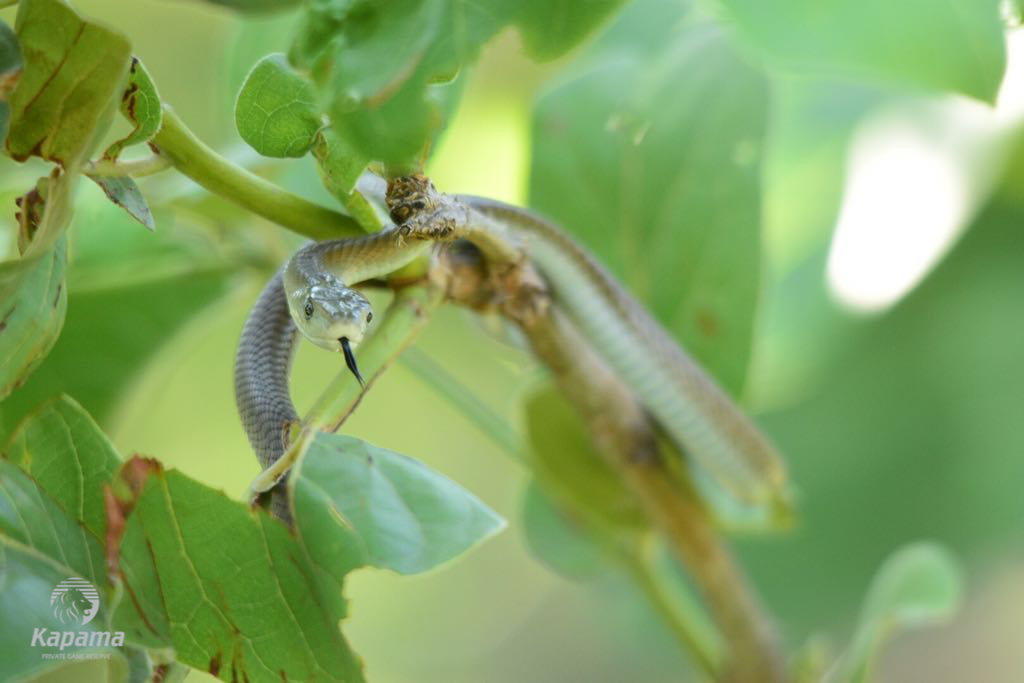

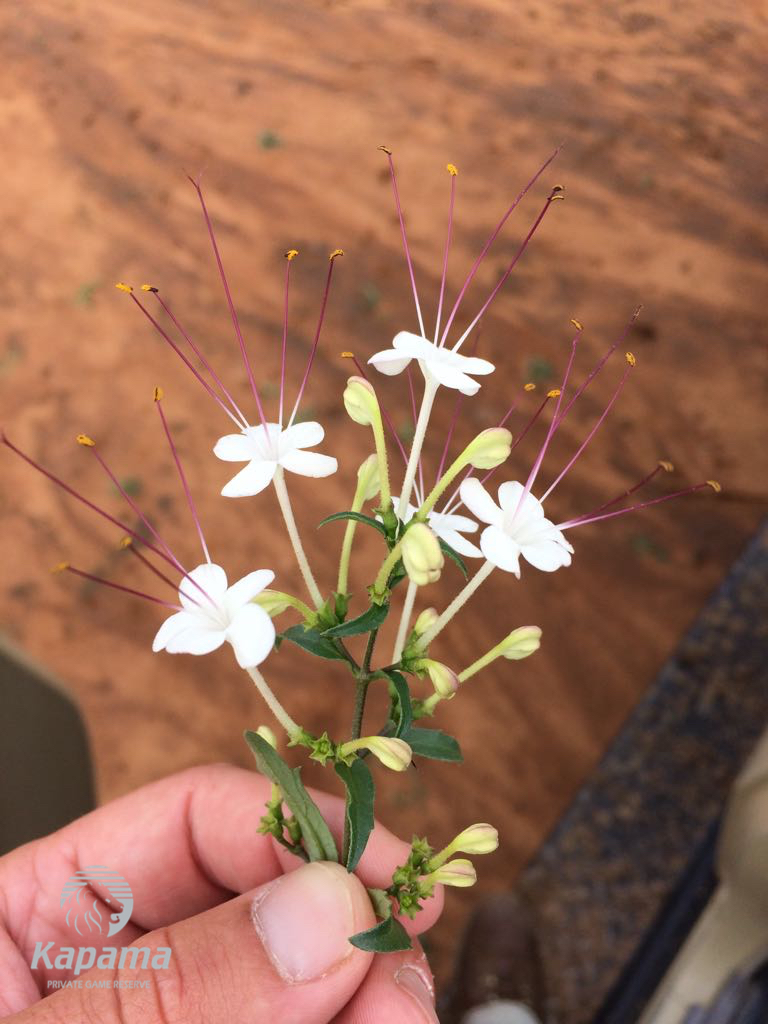
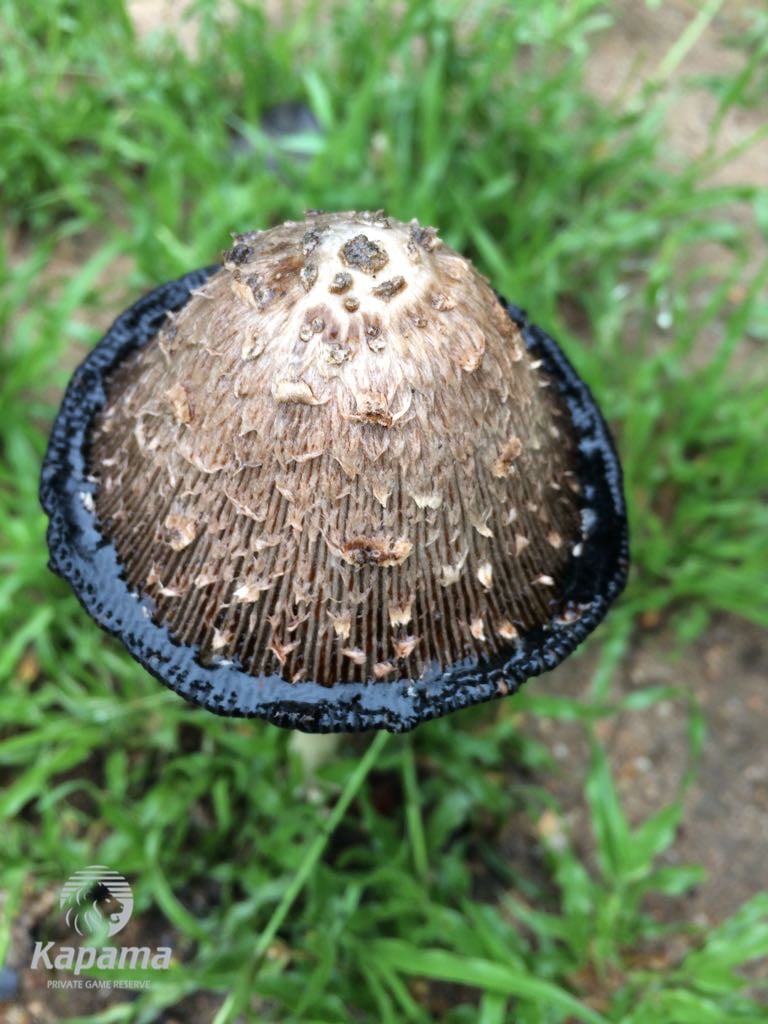
As we moved on from the Leopard Tortoise, nature just kept on surprising us with snakes, birds, wildflowers, snails, mushrooms and so much more. We ended the night off with a beautiful flap-necked chameleon. A few interesting facts about these interesting creatures:
– They normally rest on weak hanging branches as heavier predators cannot balance on the branches
– Their name comes from the flap at the back if its neck and helps with its camouflage
– You will normally see them moving with staggered motions. This is to replicate wind blowing through trees
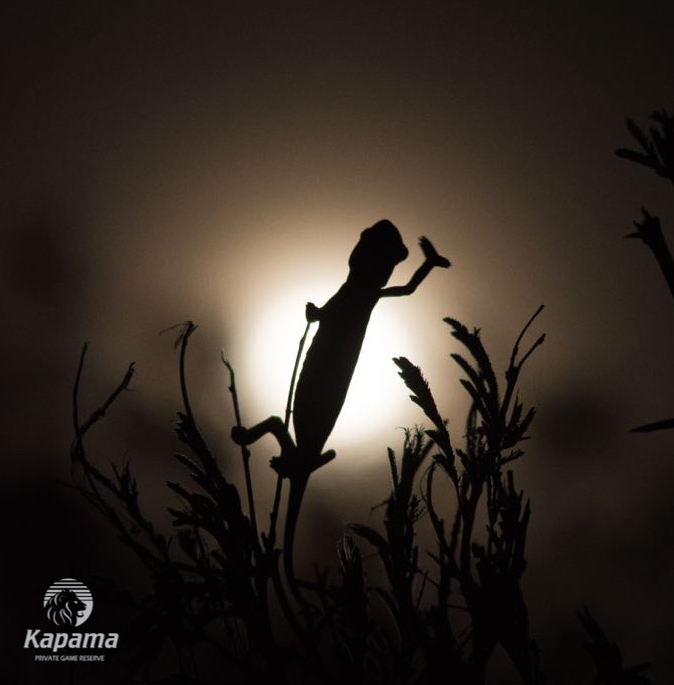
My guests and I agreed that our 3-hour game drive was not enough to appreciate the smaller things we had discovered and decided to do it again the following morning.
The point is that we always try to focus and spend lots of time, if not all our time, on finding and tracking the big and scary things out there, without realising that true beauty lies right in front of us. All we have to do is to take a breath of wilderness air, open our eyes and mind and let the bushveld tell us its stories.
Story and photos by Ranger Rassie Jacobs River Lodge
Latest news
No Results Found
The page you requested could not be found. Try refining your search, or use the navigation above to locate the post.