World Rhino Day
Today, the 22nd of September is labelled as, ‘World Rhino Day.’ A day that is dedicated to raising awareness in the plight of such an iconic animal. The Rhinoceros, which means ‘nose horn’ is often shortened to just rhino.
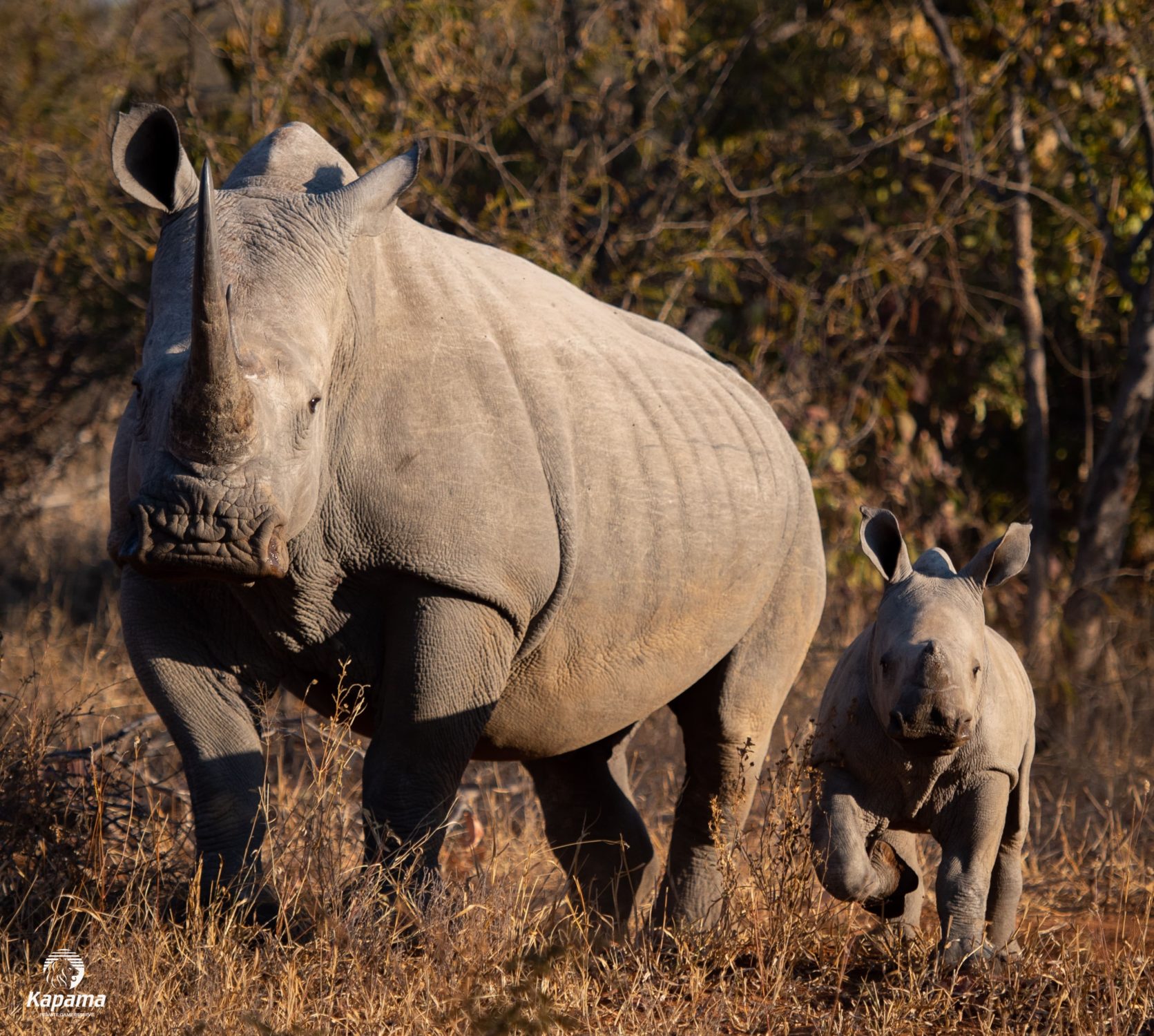
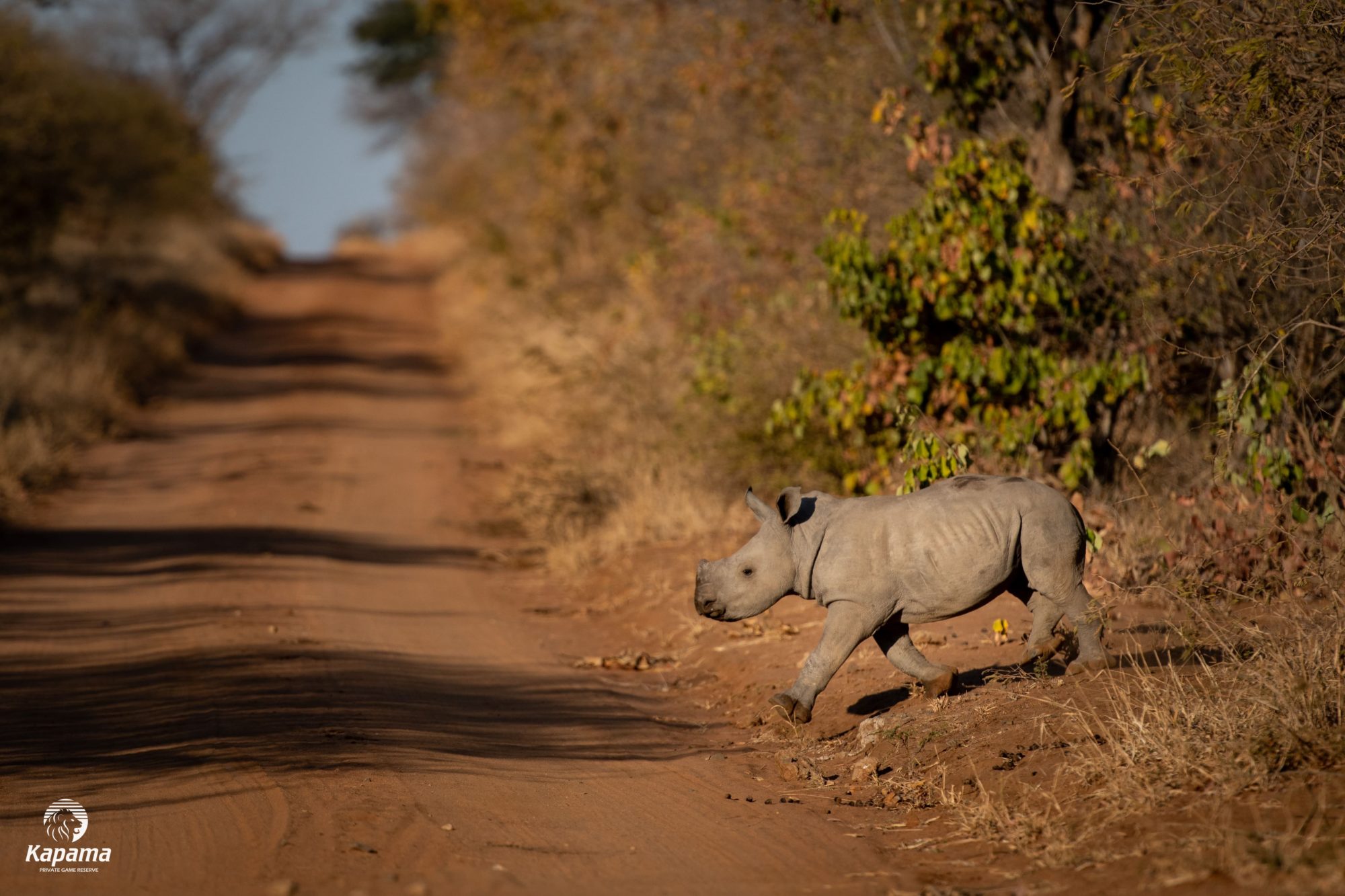
Currently there are five species of Rhino on earth, two species in Africa and three in Asia. All these species are on the IUCN Red List and are currently under threat.
The Asian species include the following;
- Javan Rhino (+-60 individuals) – Critically Endangered
- Sumatran Rhino (<100 individuals) – Critically Endangered
- Greater One-horned/ Indian Rhino (+-3,000 individuals) – Vulnerable
Although poaching is a big issue in these Asian Rhinos, Habitat loss remains the biggest risk to these prehistoric animals. As human populations grow, we require more land for residential, agriculture and industrial industries.
The African species include the following;
- White Rhino (+- 18,000 individuals) – Near Threatened
- Black Rhino (+- 5,500 individuals) – Critically Endangered
Poaching remains the biggest threat to these two species with an average of 1,100 individuals killed each year over the past five years. Rhinos are poached for their horns which are made of keratin, the same substance that makes up our own nails and hair. It has no medical properties even though being used in traditional Asian medicine. Its vital that we educate as many people as possible about the true facts.

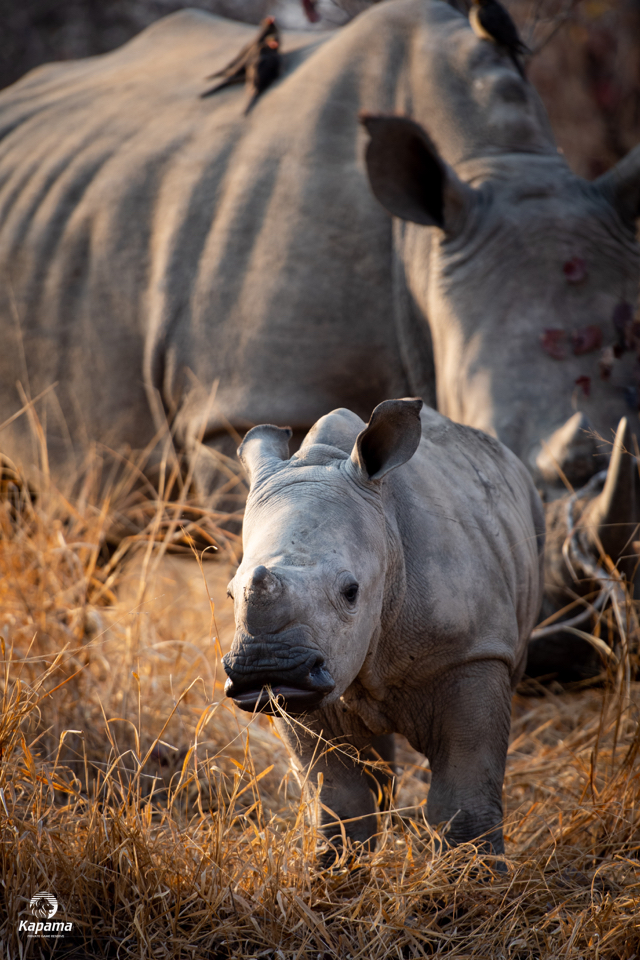
Each and every time rangers on Kapama are able to share a Rhino sighting with guests it is a wonderful, privileged and special moment. Like this interesting video of a Rhino, out and about in its normal day, shared by Ranger Andrew. It gives us an opportunity to inform and educate guests on their interesting habits, their role in nature and the ecosystem and the importance to conserve them.
So not only today, World Rhino Day, but every day, help us spread the word and raise awareness for these incredible creatures so that generations to come, can appreciate their magnificence and beauty.
Story and photos by Southern Camp Ranger Mike Brown
Latest news
No Results Found
The page you requested could not be found. Try refining your search, or use the navigation above to locate the post.