
Harsh Times
Africa can be a harsh environment for animals. The blazing hot South African sun beats down relentlessly on the ground below. If there is little or limited rains, animals have to find a way to survive.
During these harsh times, animals need to discover ways to access as much water, nutients and moisture as possible. Being out on a game drive can give you a front row seat to witness just how amazing nature can be!
Trees don’t waist all their resources to produce excessive leaves as it takes a lot of energy, so they store all the minerals and water in their roots. Elephants, for instance, have learned to push trees down exposing the roots of the trees, allowing them to eat on it, not just for food but also to get the all essential moisture from the stored up reserves. With the trees pushed down, this helps the smaller animals too who can’t reach the higher parts where there still may be succulent leaves to feed upon. That is only one problem solved though.
Due to their size, however, elephants have to solve the problem of keeping cool in the burning sun. They use their big ears as a fan in a way, flapping them side to side, not to create a cool breeze to over their body but rather to cool down the blood that flows through their ears. When the blood is cooled down, the cooled down blood flows to their heart which is then pumped through the rest of their body, helping to cool them down.
Although a great and effective method, this is not the only way that elephants can cool down their huge bodies. Elephants will often go for a swim or wallow in a mud bath. With mud bathing they will roll around in the mud and use their trunks to throw mud over their backs and cover their whole body. Not just cooling the body down but the mud acts as an extra layer to protect them again direct sunlight, acting as natural sunblock.
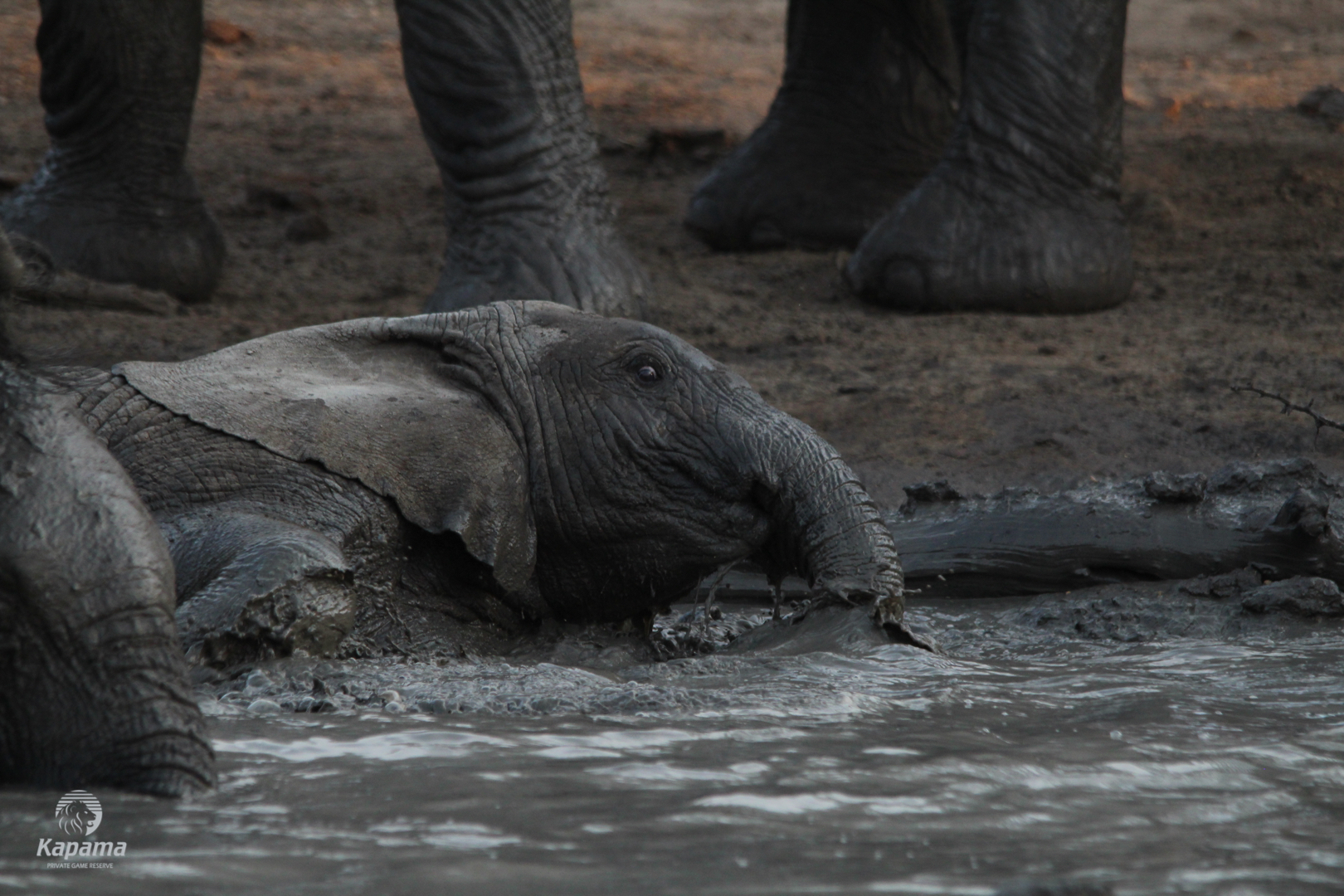
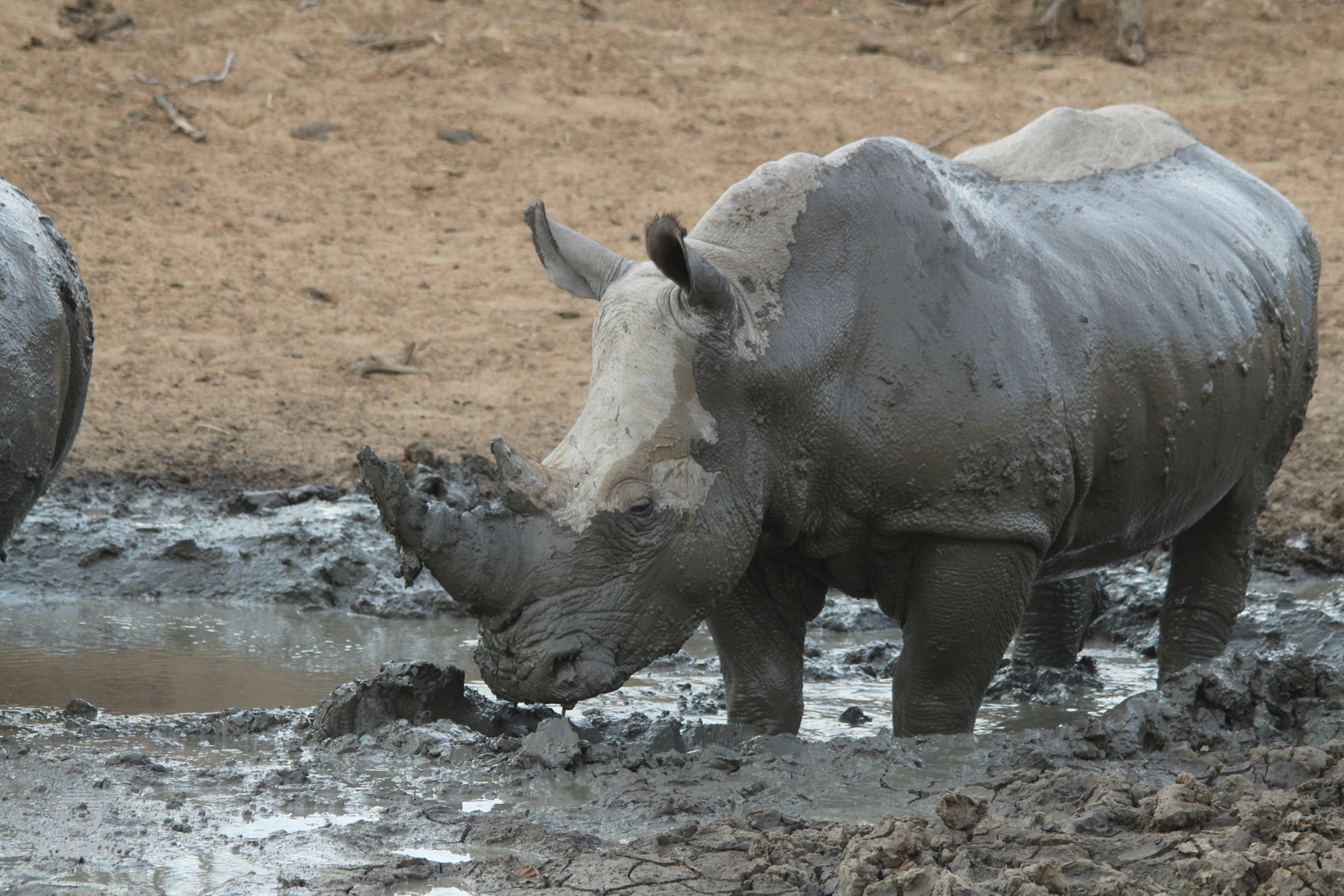
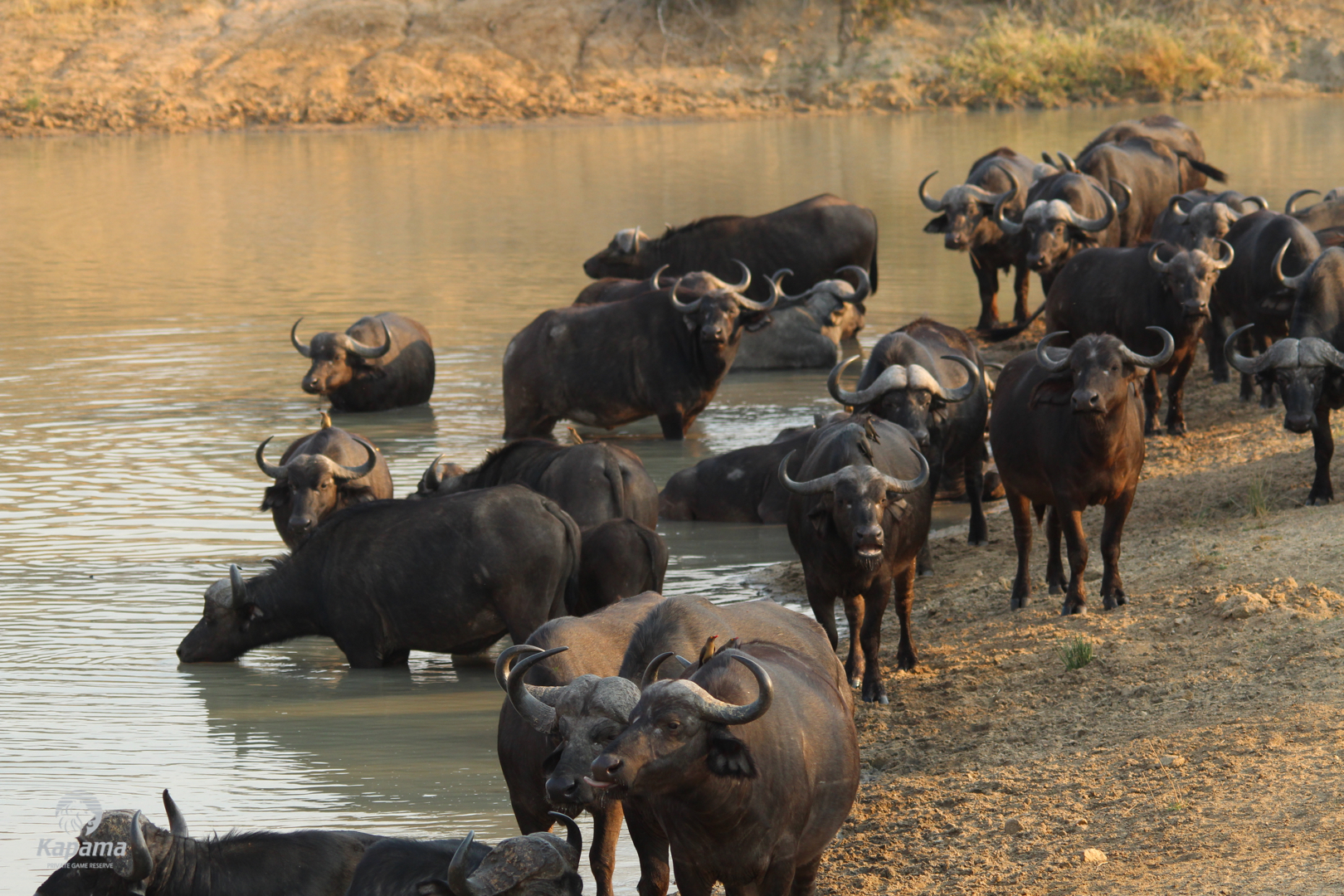
Other animals that also enjoy a good mud bath are animals such as rhinos, buffalos and warthog’s. After a good wallow, rhinos will go to a scratch post, rubbing themselves against the bark removing all the excess mud. By doing this, it helps to removes all the unwanted ticks and parasites. After all this hard work they will go and relax under shade to keep cool until the sun starts to set.
Animals that don’t mud bath, have different methods of keeping cool, such as the impala. A very tough animal that can survive the most extreme weather conditions. With the lack of shade in some parts and the sun baking on the ground, the heat radiates back off the ground, acting almost like an oven baking from both sides.
Impala have adapted to withstand the extreme heat. They have three different shades of colour on their body. The top part is dark, heating up quickly, the middle part of the body is slightly lighter colour, allowing the heat to escape quicker when the heat travels down the body. Lastly the belly of the impala is white, to reflect the heat that comes from the ground.

Most predators like the lions and leopard, will be inactive as much as possible, sleeping most of the day under shade, waiting patiently for the sun to set behind the horizon, so that they can become active after sunset.

These are just some basic methods of how animals have adapted to survive the extreme heat and try their best to survive through a possible drought.
Story and photos by Buffalo Camp Ranger Ben Scheepers
Latest news
No Results Found
The page you requested could not be found. Try refining your search, or use the navigation above to locate the post.


